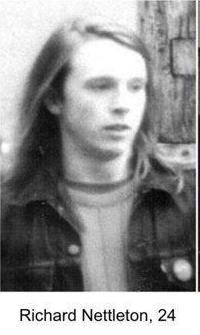
Richard Nettleton, a 24-year-old man from Queens, New York, was riding the Long Island Rail Road on the evening of December 7, 1993, when an ordinary commute turned into a moving nightmare. The eastbound 5:33 p.m. train had left Penn Station and made a stop at Jamaica in Queens, blending the city’s rush-hour pulse with the quieter expectation of getting home.
Somewhere in the third car, a passenger named Colin Ferguson sat with a 9mm Ruger pistol and a large supply of ammunition, waiting as the train rolled beyond the city line.
As the train approached the Merillon Avenue station in Garden City Park on Long Island, Ferguson rose and began firing down the aisle, turning seats into hiding places and the narrow passage into a corridor of panic. Witnesses described the shots as rapid and relentless, so sudden that some riders initially mistook them for harmless noise, until screams and the sight of blood made the truth unmistakable. In the chaos, passengers surged away from the gunfire; some tried to duck beneath seats, others pressed toward the ends of the car, while the train continued to move into the station.
The rampage ended not because the threat faded, but because Ferguson paused to reload. In that brief window, several commuters rushed him, tackling and pinning him to a seat while others helped hold his arms and legs in place. Moments later, an off-duty Long Island Rail Road police officer who was on the platform reached the car, found the gunman restrained, and put him in handcuffs. Ferguson was taken into custody at the scene, and the case immediately shifted from a shock of violence to the machinery of arrests and courtrooms.
In the days that followed, investigators and prosecutors treated the attack as a planned mass shooting, and Ferguson was brought before the courts and held without bail. The criminal case moved into a highly publicized prosecution in Nassau County, where Ferguson ultimately represented himself at trial in a spectacle that included him questioning survivors and pressing the claim that he had not been the shooter. The jury rejected that claim. In February 1995, Ferguson was convicted on six counts of second-degree murder, along with multiple counts tied to the wounded passengers, and he received an extraordinarily long prison sentence designed to keep him incarcerated for life.
Appeals followed, but the convictions stood. In 1998, an appellate court decision affirmed the judgment, including the determination that Ferguson was competent to stand trial. For Richard Nettleton’s family and for the other families shattered that night, the legal milestones could not undo what happened in that crowded rail car, but they did establish a single identified perpetrator, a swift capture, and a case that ended in conviction rather than lingering uncertainty about suspects.