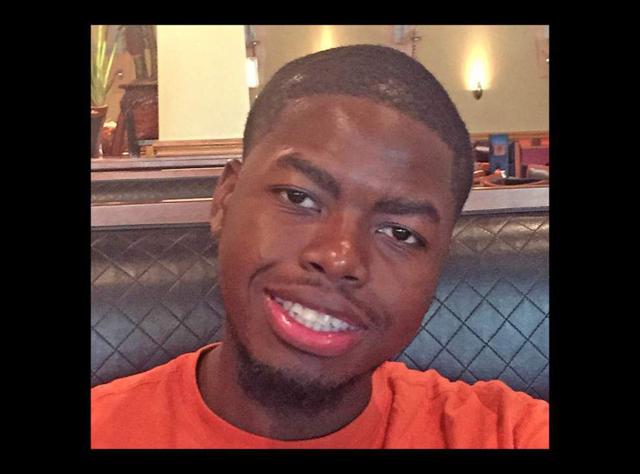
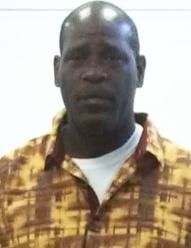
Milton Reed Jr., 56, a Black male, died on Sunday, May 31, 2015, in Louisiana. In the days that followed, the details that surfaced publicly were the kind that usually appear when a life is being gathered up and honored: the dates, the surviving family, the places where people would come together to sit with grief and memory. Those notices described him as the son of Clementine Reed and the late Milton Reed Sr., and they named a brother, Kenneth Reed, along with relatives and friends who were
left to carry what he’d meant to them.
His passing was marked with the familiar rhythms of community mourning in New Orleans, where arrangements and services were announced through a local funeral home and a church visitation. The public record of those announcements focused on family ties and the practical steps of farewell: when people could pay respects, where they should go, and who would be welcoming them. It painted the outline of a man whose absence would be felt in a wide circle—nieces and nephews, cousins, and longtime friends—each person arriving with their own version of him in mind.
Beyond that, publicly available sources do not provide a clear, documented account of the circumstances of his death, and they do not describe a confirmed crime scene narrative, a motive, or the sequence of events that led to his final moments. In the same way, there are no publicly accessible reports in the sources reviewed that name a suspect, describe an arrest, or outline charges, court proceedings, a trial, or a conviction connected to his death.
What remains in the open record is a quieter kind of story: a life bracketed by birth and death dates, and a family left to stand in the hard space between what the public can see and what loved ones must live through. The notices preserve the essentials—his name, his people, and the moment the world changed for them—while the rest, if it exists in official case files or private recollections, is not reflected in the publicly available materials.