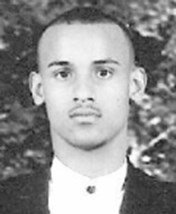
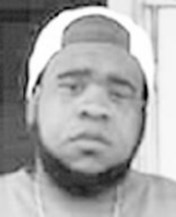
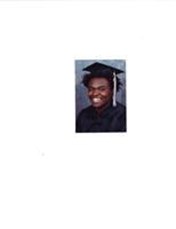
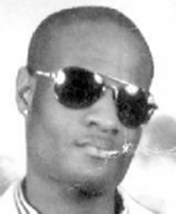
Rodney Levigne, age 51, died in New Orleans, Louisiana. He was a man whose life mattered deeply to the people who knew him, and his death left a hollow space that grief rushed in to fill. For those closest to him, the news did not land like a single moment—it spread through phone calls, stunned silence, and the heavy realization that the days ahead would be shaped by mourning, memory, and a search for understanding.
In the wake of his death, what remains most visible is the ache of
absence and the fact that he is gone. A life that had routines, relationships, familiar places, and people who counted on him was suddenly reduced to a painful finality. In any loss like this, loved ones are left holding two realities at once: the tenderness of who he was, and the harshness of what happened. They remember the sound of his voice, the way he occupied a room, the ordinary gestures that now feel priceless—things that never make it into public records but define the true weight of a person’s life.
When someone dies unexpectedly, the world keeps moving even as the family’s world stops. There are practical burdens that arrive immediately—arrangements, notifications, decisions made through tears. But beneath all of it is the deeper struggle: trying to make sense of a death that should not have happened, trying to hold onto the person as he lived rather than the way he died. People who loved Rodney are left with the kind of sorrow that can’t be solved by time alone, because time doesn’t answer questions—it only widens the distance between “before” and “after.”
If there were circumstances surrounding his death that raised questions about responsibility or wrongdoing, those questions would only intensify the grief. Families in that position often live with a constant, quiet tension: wanting to honor their loved one with dignity, while also needing clarity and accountability. They replay what they know, they hold tight to every detail they’ve been told, and they hope—sometimes for years—that the full truth will surface and that the system meant to investigate and prosecute wrongdoing will not forget the person at the center of it all.
Rodney’s death is not just an event; it is a rupture. It changed the shape of the lives around him. It altered family gatherings, holidays, ordinary mornings, and the future that had once been assumed. There is a particular kind of heartbreak in realizing that someone you love is now spoken of in the past tense, that a name once connected to daily life becomes a name spoken in remembrance.
And still, what endures is that Rodney Levigne was more than the moment he died. He was someone’s family, someone’s friend, someone who existed fully in the world before tragedy took him away. The people who carry him forward do so in stories, in photographs, in the way they say his name out loud so it doesn’t fade into paperwork or passing mention. They hold on to what is good and true about him, even as they live with the pain of losing him. In the long stretch after loss—when condolences quiet down and the world stops asking how you’re doing—love becomes the thing that remains, steady and stubborn, refusing to let the person disappear.