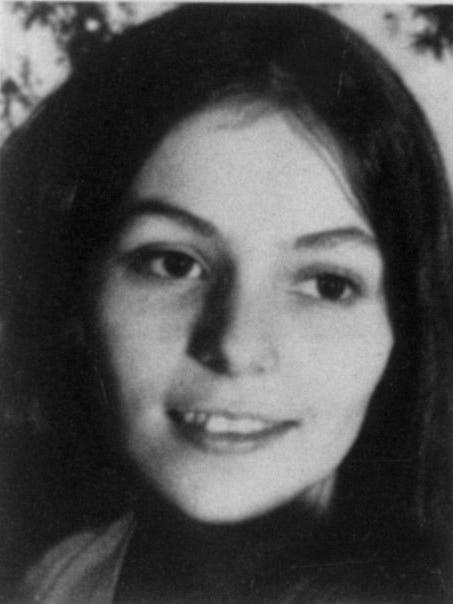
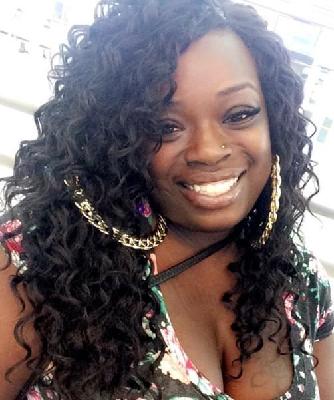
In the cold of February 2014, the city of Rochester, New York, was shaken by a brutal act of violence that claimed three lives. Among the victims was Jermeliah Simmons, a 21-year-old female who was found deceased on February 22, 2014. Her life was cut short in an execution-style shooting inside an apartment on Chili Avenue. She was not alone in her final moments; with her were her cousin, Jaqueline Simmons, and Michael Nelson, both of whom also perished in the attack.
The grim discovery of the three victims, each killed by a single gunshot to the head from the same 9mm handgun, launched an intensive investigation by the Rochester Police Department.
The search for those responsible led investigators down a path that would uncover a connection to an elaborate marijuana trafficking operation. It is believed that the horrific killings were an act of retaliation after Jermeliah Simmons allegedly stole marijuana from the drug business. This initial investigation led law enforcement to two other apartments in the city where they discovered over 80 pounds of marijuana, scales, packaging materials, and two firearms. A crucial piece of evidence was the recovery of a 9mm pistol that forensic analysis later confirmed to be the weapon used in all three murders.
Two months after the discovery of the bodies, the investigation culminated in the arrests of three men: Marlando Allen, Andre McFarlane, and Steve Fulcott. The wheels of justice began to turn, though the path to resolution would be a long and complex one for the families of the victims. Andre McFarlane, a Jamaican immigrant, eventually pleaded guilty to three counts of second-degree murder. As part of his plea agreement, he admitted his role in the killings and was sentenced to 15 years to life in prison. His cooperation included agreeing to testify against his co-defendants, and upon completion of his sentence, he faces deportation.
Marlando Allen's journey through the legal system was complicated by questions surrounding his mental competency. Initially deemed unfit to stand trial after exhibiting odd behavior, he was later found competent by the Office of Mental Health. In September 2020, six years after the murders, Allen, at the age of 40, pleaded guilty to three counts of second-degree murder. He admitted his part in the triple homicide and received a sentence of 15 years to life in prison, a plea that also made him eligible for deportation. The third suspect, Steve Fulcott, was also charged with three counts of first-degree murder, though the specific outcome of his case is less clearly detailed. The guilty pleas of Allen and McFarlane, however, brought a measure of closure to a case that had long cast a shadow over the community.