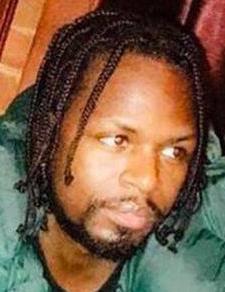
Dontea “Ted” Bascom was a 16-year-old African American male from Brooklyn, New York, and on the evening of April 17, 2015, he was sitting outdoors at the Marcy Houses in Bedford-Stuyvesant when gunfire suddenly tore through the courtyard. Residents later described hearing a rapid burst of shots, the kind that makes people drop behind windowsills and pull children back from doorways.
When it ended, Bascom had been hit in the groin, and his younger cousin, Michael Parnell, had also been struck.
Police and medics rushed in just after 7 p.m., and the two boys were taken to hospitals as neighbors tried to piece together what had just happened on what should have been an ordinary spring night. Bascom was critically wounded and later died at the hospital. Parnell survived his injuries. Early reports said the boys had been sitting on a bench when the shots rang out, and investigators pulled multiple people from a nearby apartment into custody for questioning in the immediate aftermath, but no one was charged right away.
In the days that followed, the story of how Bascom ended up there sharpened into something painfully familiar to people who lived around the projects: boundaries that teenagers learn like street maps, and the risk of crossing them. His father, Sherwayne Bascom, told reporters that his son had been at home earlier in the day in the Prospect Lefferts Gardens area before heading to the Marcy Houses with his cousin, and that the boys had gone over to see girls they knew. He spoke about his son with a stunned kind of grief, saying he was lovable, but in the wrong place, and lamenting the neighborhood rivalries that can make a short walk feel like stepping into enemy territory.
Nearly a month later, police announced an arrest. On May 13, 2015, authorities said they had taken a Brooklyn teenager, Elijah Morton, into custody and charged him with second-degree murder, attempted murder, and weapons charges in connection with the shooting that killed Bascom and wounded Parnell. Even then, the case still carried the weight of silence that so often follows youth shootings: sources told reporters that Bascom was able to communicate with police before he died but declined to cooperate with investigators.
Community voices, meanwhile, kept returning to the same uneasy truth—how quickly a neighborhood dispute can become a death sentence when a gun is close at hand. In the wake of that violent weekend, local coverage framed the killing as part of a wider surge of shootings and, in one account, as a “revenge killing,” while organizers and longtime residents spoke about kids being boxed into invisible borders and the urgency of interrupting the cycle before another bench in another courtyard became a crime scene. Public reporting available from the sources above describes the arrest and charges, but it does not clearly document a trial outcome or conviction in this case.