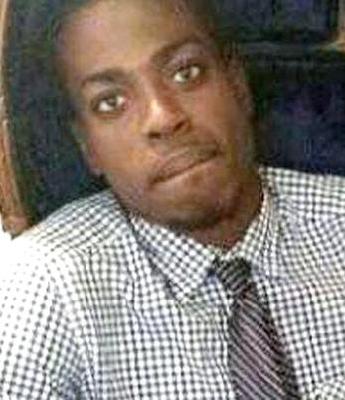
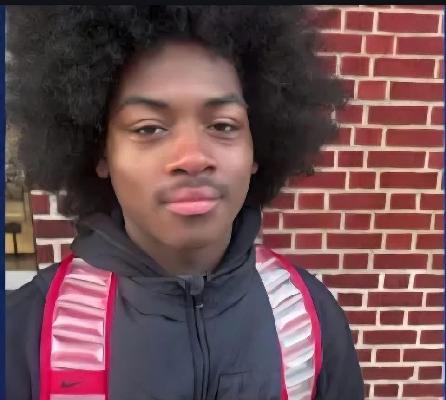
Elwin Coste, a 17-year-old male who was described in Dominican press as Dominican, came to the Bronx in mid-June 2016 to see family and spend time near his grandfather’s home on Tiffany Street, a visit that was supposed to be brief and familiar. He had roots that stretched beyond New York—news reports and family information placed him in the Harrisburg, Pennsylvania area, while other accounts connected him to New Jersey—yet that weekend he was in the Longwood/Foxhurst area, close to
relatives, moving through a block he didn’t normally call his own.
Before dawn on June 18, the quiet outside 1041 Tiffany Street shattered. Police and local reporting described two people being hit in a sudden burst of gunfire around 3:30 a.m., with Coste struck multiple times—wounds reported to his stomach, arm, and leg—while the other victim, a 21-year-old man, was shot in the torso and arms. Both were rushed to a hospital, but Coste did not survive.
In the first telling, the attack seemed to rise out of a brief, ordinary street interaction that turned deadly in seconds. One neighborhood account said two men approached and asked for a cigarette before opening fire; other reports framed it as a dispute with two unknown men. A Spanish-language report added another detail that widened the scene, describing suspects getting out of a vehicle before shots were fired, while television reporting focused on the gunmen escaping along Tiffany Street immediately afterward. However it began, the end was the same: the shooters disappeared into the darkness and left behind a collapse of blood, panic, and sirens on a residential block.
As the investigation took shape, detectives leaned on what the street and nearby cameras could offer. Police released security-camera images of two men wanted for questioning in connection with the shooting, describing what they were wearing—one in a light-colored hooded sweatshirt with an Adidas logo, the other in a blue shirt with a red patch on the sleeve—and asked the public to help put names to faces. The suspects were described as fleeing northbound on Tiffany Street, and the case turned, early on, into a hunt for recognition: someone who might remember the clothing, the pair moving together, or the moments just before the shots.
For Coste’s family, the loss was immediate and intimate, pulling together different parts of his life that had been scattered across states—school, music, and plans that were still taking shape. A Spanish-language report quoted his father pleading for witnesses and offering a $1,000 reward, describing a son who was upbeat, obsessed with music, and dreaming of becoming a rapper. Online fundraising for funeral expenses echoed the same grief, portraying him as a young man taken suddenly and leaving relatives to shoulder both heartbreak and the practical weight that follows a violent death.
In the days after the shooting, contemporaneous reporting repeatedly noted that police had not announced any arrests, even as suspect images circulated and the surviving victim’s condition was closely watched. Those early public updates emphasized an open case: unknown gunmen, a narrow window of time, and investigators trying to turn fragments—surveillance stills, witness recollections, the route of flight—into a clear identification.