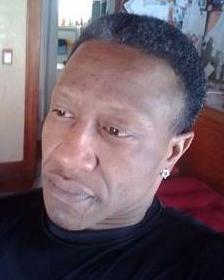
In the summer of 2016, the life of 46-year-old Timothy L. Brown was tragically cut short in Rochester, New York. On the evening of Friday, July 29th, police were called to Roslyn Street, where they discovered Brown had been fatally shot. The incident was quickly determined to be a homicide, marking another grim statistic in the city's ongoing struggle with gun violence.
The initial investigation into the male victim's death brought a flurry of police activity to the neighborhood as
detectives canvassed for witnesses and evidence. However, the trail for those responsible for Brown's killing grew cold. In the years that have passed, his case has been moved to the Rochester Police Department's cold case files.
The designation of a cold case means that all initial leads have been exhausted, and the investigation has stalled. For the family and friends of Timothy Brown, this has meant a painful wait for justice with no resolution in sight. The Rochester Police Department's Major Crimes Unit continues to list numerous unsolved homicides, a stark reminder of the lingering grief and unanswered questions that haunt many families in the city.
Despite the passage of time, the hope that someone will come forward with information that could lead to a breakthrough in the case remains. Law enforcement officials periodically review cold cases, hoping that new technology or a witness's change of heart could provide the missing piece to the puzzle of who killed Timothy L. Brown and why. As of now, no suspects have been publicly identified or arrested in connection with his murder, and the case officially remains unsolved.