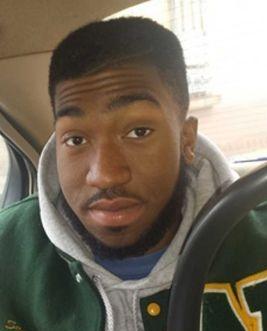
In the quiet residential neighborhood of Roosevelt, New York, the evening of October 14, 2016, was shattered by the sound of gunfire. On Hudson Avenue, a 24-year-old man, Carlos Ulises Ventura-Zelaya, was found lying in front of a house, the victim of a fatal shooting. First responders rushed him to Nassau University Medical Center, but his injuries were too severe, and he was pronounced dead.
The initial investigation by Nassau County police suggested that the shooting was not a random
act of violence. Residents of the normally peaceful block were left shaken, with one neighbor reporting hearing six or seven gunshots and witnessing a man flee the scene in a car. In the immediate aftermath, detectives were left with few leads and appealed to the public for any information that could help them understand what had happened to the young man. For a time, the case remained unsolved, one of a string of violent acts that had troubled the community.
Years later, a significant breakthrough in the investigation brought a measure of clarity to the violent end of Carlos Ulises Ventura-Zelaya's life. His death was connected to the brutal activities of the notorious MS-13 gang. An extensive investigation into a series of murders on Long Island between 2016 and 2017 led to the indictment of eight members of the gang. Among them was Carlos Alfaro, a resident of Roosevelt, who was charged with the second-degree murder of Ventura-Zelaya.
The indictment detailed a campaign of violence carried out by members of the Hollywood Locos Salvatruchas and the Sailors Locos Salvatruchas, two cliques of the MS-13 gang. Along with Alfaro, Jose Moises Blanco, Oseas Gonzalez, Jose Jonathan Guevara-Castro, Victor Lopez-Morales, Ever Morales-Lopez, David Sosa-Guevara, and Kevin Torres were all charged in connection with a half-dozen murders, including that of Carlos Ulises Ventura-Zelaya. The authorities stated that the killings were carried out to eliminate potential rivals and solidify the gang's control in the area.