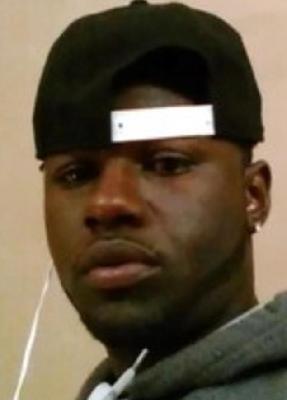
In the spring of 2018, the life of 29-year-old Teron Fitzgerald was tragically cut short in Buffalo, New York. On May 5th, he was discovered with multiple gunshot wounds, a violent end to a young life that would quickly be ruled a homicide by authorities. The incident unfolded in a neighborhood known for its struggles with crime, adding a layer of urgency to the ensuing investigation.
He was a Black male.
The Buffalo Police Department launched an extensive investigation into the shooting. Detectives canvassed the area for clues and spoke with potential witnesses. From these initial inquiries, a narrative began to form. Witnesses reported hearing the sound of gunshots and seeing a vehicle hastily fleeing the scene, providing investigators with crucial early leads. As they delved deeper, detectives uncovered that Fitzgerald had been involved in a dispute with several individuals in the days leading up to his death, a conflict they believed could be the motive for the fatal encounter.
The investigation eventually zeroed in on a suspect: a local gang member with a known history of violent behavior who had reportedly been in conflict with Fitzgerald. This individual was arrested and subsequently charged with the murder of Teron Fitzgerald. The case proceeded to a highly publicized trial where the prosecution presented a case built on forensic evidence and witness testimonies. In the end, the jury found the suspect guilty of second-degree murder, bringing a measure of legal closure to a case that had deeply affected the community. The conviction, however, did little to erase the sorrow of a family left to mourn the untimely loss of a loved one.