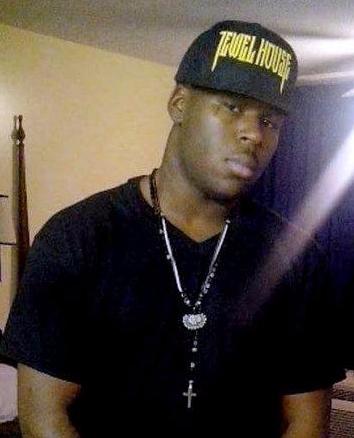
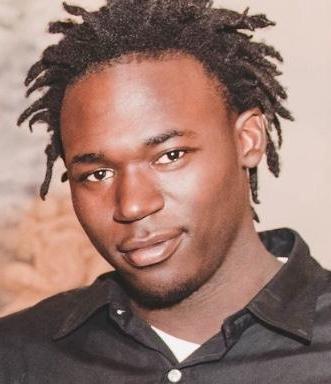
Tavis Curtis, 32, a Black man from New Orleans, died after a shooting that unfolded late at night, the kind of sudden violence that shatters the ordinary rhythm of a city and leaves an emptiness that never quite fits into words. He was shot near the intersection of Tchoupitoulas Street and Peniston Street, and when officers arrived, they found him in the roadway with multiple gunshot wounds. In those moments, there is always a rush of motion and noise around the victim, but for the person at the center of it, everything comes down to breath, heartbeat, and time slipping away. He was taken to the hospital, but the injuries were too severe, and he died from the wounds.
The first reports framed it as an aggravated battery by shooting, a phrase that sounds clinical on paper but cannot capture what it means in real life. It means someone was harmed so badly that their life could not be saved. It means a family that should have been planning for another day, another birthday, another holiday, instead faced the cruel finality of losing him. It means friends and neighbors left staring at a place they may have passed a thousand times, now marked by sirens, flashing lights, and the stunned realization that a man’s life ended there.
In the immediate aftermath, there were more questions than answers. Investigators began trying to piece together what happened and why. In shootings like this, there is often a terrible gap between the violence itself and the truth of it—what led up to the moment, who was present, what words were exchanged, what fear or anger or impulse tipped into a trigger pull. The earliest information did not publicly name a suspect, did not describe a motive, and did not announce an arrest. Instead, it reflected that familiar and heartbreaking uncertainty that follows so many killings: the sense that the story is still incomplete, that somewhere there are witnesses or fragments of information that could explain how Tavis ended up there, and who took him away.
When a person dies this way, the pain doesn’t end with the last breath. It spreads. It becomes a weight carried by people who loved him and by people who may not have known him but recognize the tragedy all the same. It becomes the silence at family gatherings where his voice should be. It becomes the long nights of wondering what he felt in those final moments, and the unbearable wish that someone had stepped in, that the night had gone differently, that he had made it home. It becomes anger too—anger that a life can be stolen so quickly, anger that answers can feel so far away, anger that a name can become another case file when it should have been another lifetime.
Tavis Curtis was not just a victim in an incident report. He was a person with a place in New Orleans, with ties and memories and people who cared about him. His death, occurring in the open air of a city street, is the kind of loss that lingers over the community, a reminder of how fragile safety can be and how quickly a moment of violence can rewrite everything. And in the absence of publicly known arrests or suspects, that loss is compounded by uncertainty—the ache of not knowing who is responsible, not knowing what truly happened, not knowing whether justice will ever come.
What remains clear is the stark truth of that night: a man was shot, he was found with multiple wounds, and he did not survive. For those who loved Tavis Curtis, the story does not end there. It continues in grief, in remembrance, and in the hope that the full truth will one day be known, that the unanswered questions will not remain unanswered forever, and that his name will be spoken not only with sorrow, but with the dignity and humanity he deserved in life.