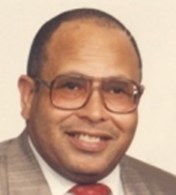
Desmond Johnson was 27 years old, a Black man from Baton Rouge, Louisiana, and on the night of October 19, 2016, his life was taken by gunfire. What should have been an ordinary Wednesday ended instead with sirens, stunned silence, and the kind of grief that arrives before anyone can even understand what just happened.
That evening, shots rang out along Alaska Street, near the area around LSU.
In the chaos and suddenness that follows a burst of violence, Johnson was struck and left mortally wounded. The neighborhood that had been alive only moments earlier became a place of flashing lights and hurried footsteps, where strangers and first responders moved with urgency while the air still held the sharp echo of what had been done. By the time help arrived, the gunfire had already faded, and the person who pulled the trigger was gone—leaving behind only the devastation of a single, irreversible moment.
There is a particular cruelty to deaths like this, where the violence feels abrupt and impersonal, and the answers do not come quickly. A life is reduced to a scene, a street name, a date. But Desmond Johnson was not just the place where he fell. He was someone’s family, someone’s friend, someone who had a voice and a laugh and habits and plans that did not include this ending. His death did not just stop a heartbeat; it changed the shape of everyone who loved him, carving a permanent before-and-after into their lives.
The publicly available information does not clearly identify a suspect, and it does not consistently describe any arrest connected to his killing. In what can feel like the longest kind of waiting, there is no widely documented trail of charges, no public record in the available summaries of a prosecution, trial, or conviction tied to the shooting. That absence can be its own wound—because when a person is taken and the story doesn’t continue into accountability, the grief can linger without anywhere to land.
All that remains, in the plain facts that survive, is the stark truth: on October 19, 2016, along Alaska Street, Desmond Johnson was shot and did not make it home. And beyond those facts is the human truth that matters just as much—he was here, he mattered, and his death left a space that no report and no timeline can ever fully describe.