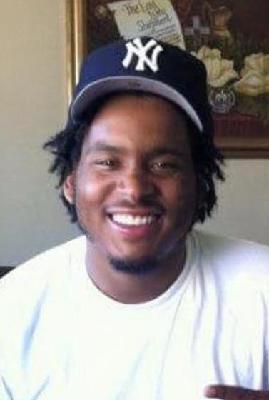
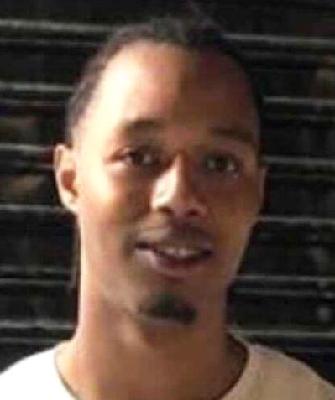
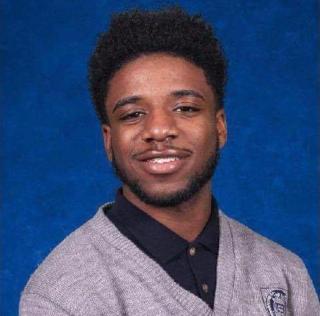
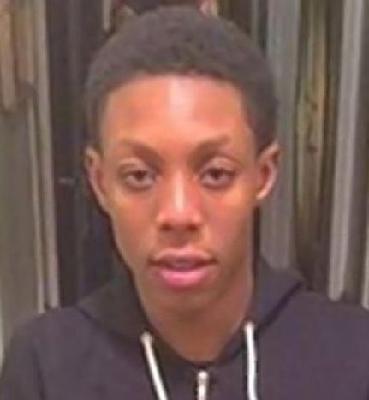
Menkie Woodard-Collins, 24, a Black man, was killed in Manhattan’s Harlem on September 13, 2021, after a sudden burst of gunfire shattered a late-night moment on West 139th Street. Just after midnight, the block outside the Savoy Park apartment complex was still awake with people nearby when an argument flared and, in a heartbeat, turned lethal.
Police were called to West 139th Street between Malcolm X Boulevard and Fifth Avenue around 12:35 a.m.
and found Woodard-Collins down on the street with a gunshot wound to the head. EMS rushed him to NYC Health + Hospitals/Harlem, but he did not survive. Early accounts described the shooting as growing out of a dispute involving two men, with at least one suspect pulling a gun and firing before vanishing into the night. Investigators could not say right away whether Woodard-Collins had been part of the dispute, the intended target, or simply caught in the violence.
In the first days after the killing, the case centered on identifying the shooters and reconstructing the moments that led up to the shots. Reports described residents hearing multiple gunshots and then the rapid arrival of sirens, while detectives looked for leads and witnesses who could place the gunman at the scene. As of the initial public updates, no arrests had been announced in connection with the homicide.
Weeks later, the investigation intersected with a dramatic police standoff elsewhere in Harlem. On October 6, 2021, officers went to a West 147th Street apartment to serve a warrant related to a domestic-violence case; police said the suspect opened fire, and the incident ended with the suspect found dead inside from an apparent self-inflicted gunshot wound. Authorities identified him as 23-year-old Antonio Armstrong and said he had been wanted for questioning in two Harlem shootings—one of them fatal—specifically describing a gunman who had fired into a crowd in front of West 139th Street in the early hours of September 13, the same incident in which Woodard-Collins was killed.
Even with Armstrong publicly named as someone detectives wanted to question, the reporting did not describe him as having been arrested or formally charged in Woodard-Collins’ killing before his death, and public updates continued to frame the homicide as under investigation rather than resolved in court. In other words, a man police linked to the investigation died before the legal system could test any allegations, leaving the case—at least in public view—without the clarity that comes from an arrest, charges, and trial.
After the gunfire, grief for Woodard-Collins spread beyond the block where he fell. Avenues for Justice, a New York City organization focused on supporting young people impacted by the justice system, remembered him as bright, witty, ambitious, and someone who changed the energy of a room—details that painted a fuller picture of the life behind the headline. The violence that ended his life lingered as an unanswered question, with the neighborhood left holding both the memory of who he was and the uncertainty of who, if anyone, will ultimately be held responsible.