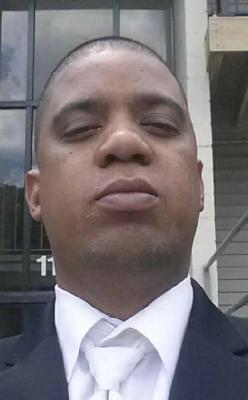
Saul Antonio Cortez, a 40-year-old man, died on December 21, 2007, in a moment that arrived like a door slammed shut without warning. He was from Beltsville, Maryland, and by that winter evening his name became tied to a simple, terrible fact: he was shot, and the wound took his life.
The night unfolded in Prince George’s County near the Washington, D.C. line, on the 3900 block of 53rd Place.
A call for help brought officers to the scene around 7:28 p.m., but the urgency of sirens and rushing footsteps couldn’t undo what had already happened. When they reached him, there was no rescue to be made—only the grim stillness that follows violence, and the realization that someone’s world had just been torn open.
Details that might explain why it happened or who was responsible never settled into the public view. There was no clear account of what led up to the gunfire, no publicly named suspect stepping out of the shadows, no description of an argument, a plan, or a motive that could be pinned down. The location and time remained, stark and specific, while the rest stayed elusive—like trying to hold smoke in your hands.
For the people who cared about Saul, that kind of silence can feel like its own cruelty. Grief is heavy enough when you know the full story. When you don’t, the mind keeps circling back, searching for a missing piece that refuses to appear. Every unanswered question becomes something you carry: Who was there? Was he afraid? Did he know what was coming? Did he have time to call out, to think of someone he loved, to hope he’d see another morning?
What is known is painfully straightforward: a life ended by gunfire in a neighborhood where, for a while afterward, the street and the hour would never look the same. The address became more than an address. The date became more than a date. December 21 stopped being just the start of the holiday season and became the day the world changed for everyone who loved him—an empty seat at a table, a voice no longer answering the phone, a future that suddenly had to be reimagined.
There is no public indication, from the information available here, of arrests, charges, a trial, or a conviction connected to Saul’s death. That absence doesn’t make the loss smaller—it makes it harder. It suggests a case that never reached the kind of ending families pray for: a name, a set of handcuffs, a courtroom, a sentence that at least says the world recognized what was stolen. Instead, the story holds on to its sharp edges, with accountability still out of frame.
And yet, Saul Antonio Cortez is more than the place where he fell or the time the call came in. He was a person from Beltsville with a life that existed in full color before that night turned it into a headline-like summary. Someone knew the sound of his laugh. Someone remembers the way he spoke, the way he stood, the way he moved through ordinary days. Someone still feels the echo of him in small things—a song, a streetlight in winter, the sudden quiet that follows a memory.
December 21, 2007 ended his life, but it didn’t erase what came before it, and it didn’t erase the love that continues after. The facts may be few, but the grief behind them is vast, and the longing for answers—who did this, why, and how they could take a life and leave so little clarity behind—still matters. Saul’s name deserves to be spoken as a whole human being, not just as a case, and not just as a moment of violence, but as someone whose absence left a wound that time can’t fully close.