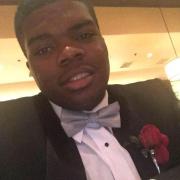
In the winter of 2018, a young Black man named Quintez Harris, who was 26 years old, was fatally shot in Baltimore, Maryland. On the evening of January 24th, the sound of gunshots echoed through an apartment building, drawing the attention of a nearby police officer who was serving a summons. The officer discovered Harris in a second-floor hallway, suffering from two gunshot wounds to his chest.
He was being held by a woman, and the door to her apartment was partially open, showing signs of a struggle with blood on the door. Despite the immediate attention, Harris succumbed to his injuries.
Investigators found more evidence of the violent encounter inside the apartment, including a significant amount of blood and two bullet holes in the ceiling. The investigation into the shooting led police to identify a suspect, Anthony Alston. The woman who was with Harris when he was found became a key witness in the case against Alston. According to her statements to the police, Alston had come to her apartment earlier that day. He later returned and became upset, which led to a physical altercation between him and Harris. The confrontation escalated, and a gun was fired.
Following a trial, a jury convicted Anthony Alston of second-degree murder and the use of a firearm in a crime of violence for the death of Quintez Harris. The key witness's prior statements to the police were a significant part of the evidence presented by the prosecution. Alston later appealed his conviction, arguing that the witness's out-of-court statements should not have been admitted as evidence. However, the appellate court upheld the trial court's decision, affirming Alston's conviction.