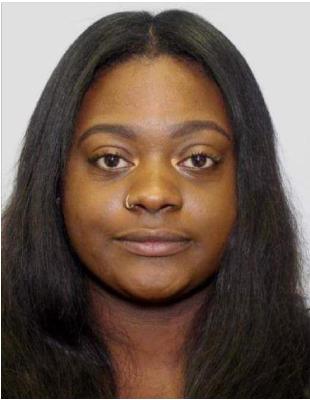
Dominique Banks Foster, 43, a Black woman, was found on Mother’s Day—May 12, 2019—after someone reported what looked like a suspicious bundle near a dumpster at the Clarks Lane Garden Apartments in northwest Baltimore. When police checked, they found human remains stuffed into trash bags inside a shopping cart, left to blend in with the refuse until the blood and the weight of what was inside made that impossible.
In the earliest hours of the investigation, she didn’t even have her name back yet. Detectives released images of distinctive tattoos—one described as a set of lips—to try to identify her, asking anyone who’d seen the cart being pushed, or anything out of place near the dumpster area, to come forward. Not long after, relatives recognized the tattoos, and investigators were able to connect the remains to Foster.
Court documents and later reporting painted a grim timeline around May 10, 2019. A neighbor told investigators she remembered hearing arguing that night, and surveillance footage obtained by detectives captured a figure in a white jacket and hoodie pushing a shopping cart toward the spot where the remains would later be discovered—moving with a noticeable limp, then walking back the way they came. Another account of the surveillance description placed the cart’s arrival late on May 10, before it sat unnoticed until Mother’s Day afternoon.
As Foster’s identity came into focus, suspicion narrowed hard on her father, Lawrence Banks, who also used the name Malik Samartaney. Investigators searched his apartment on May 29 and reported finding blood along with other items, and he was held on weapons charges while the homicide investigation continued. By July 11, 2019, Baltimore police served him with charging documents and accused him directly—charging him with first-degree murder in Foster’s killing.
The case eventually moved from suspicion to conviction. In October 2021, a jury found Banks guilty of second-degree murder and unauthorized disposal of a body. The story didn’t end with the verdict: in late February 2022, a judge imposed a 41-year sentence, describing the suffering behind the evidence, while the defense argued alternative theories and maintained his innocence.