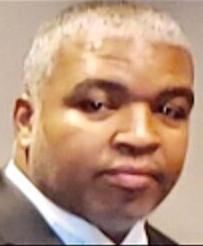
In the late summer of 2022, the life of 23-year-old Quincy Harris was tragically cut short in Baltimore, Maryland. On the evening of September 26th, his body was discovered inside a vehicle in the 1900 block of Griffis Avenue. An autopsy would later confirm that the young man had died from multiple gunshot wounds. The male victim’s death was the result of a violent altercation that had occurred the previous day.
The investigation into Harris's death soon focused on his friend, Carlos
James Pearson. In a surprising turn of events, Pearson, accompanied by his lawyer, went to the Baltimore Police Department's homicide unit and recounted the details of the deadly incident. He informed detectives that on September 25, 2022, he and Harris were at a house on Griffis Avenue where they got into a fight over a gun. During the struggle, Pearson gained control of the firearm and shot Harris five times.
Following the shooting, Pearson took steps to conceal the crime. He admitted to cleaning the scene of the shooting and then moving Harris's body into the back of the victim's own car. He also disposed of the weapon by throwing it into a nearby wooded area. Based on his confession and the discovery of Harris's body, Carlos James Pearson was arrested and charged with second-degree murder, firearm use in a felony or violent crime, and disposing of a body.
In August 2023, Pearson accepted a plea deal. He was sentenced to 40 years in prison, with all but 15 years suspended, for second-degree murder. He also received a concurrent sentence of 20 years, with all but five years suspended without the possibility of parole, for the firearm charge, to be followed by five years of supervised probation. As part of his plea, Pearson is also required to register as a gun offender upon his release. During the sentencing, the judge remarked on the senselessness of the tragedy, attributing it to the deadly combination of alcohol and the accessibility of handguns. Pearson offered an apology to Quincy Harris's family, expressing his deep regret for the events that transpired.