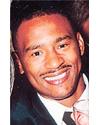
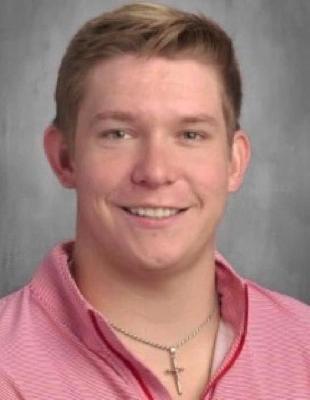
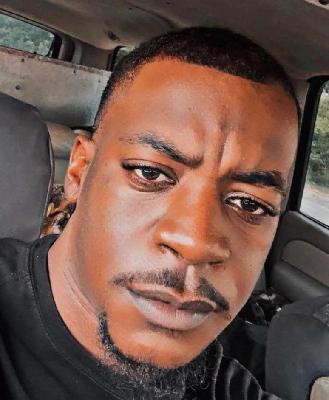
In the quiet of a Saturday morning in Abbeville, South Carolina, a domestic turmoil erupted into a tragedy that would ultimately claim the life of James Keith Kennedy. At 44 years old, Kennedy was at his home when he was confronted by his son-in-law, Trey Chavez Brown, who had come searching for his estranged wife. The encounter escalated, and Brown produced a weapon, shooting Kennedy multiple times.
Despite the grave nature of his injuries, Kennedy fought to survive and seek help.
He managed to stumble to a neighbor's home, and with his final breaths, he identified his attacker. His strength failed him as he was being transported for medical aid, and he succumbed to his wounds before he could be airlifted to a hospital.
The initial hours after the shooting were tense, but then a break in the case came from an unexpected source. About an hour after the fatal encounter, the perpetrator himself, Trey Chavez Brown, made a call to 911. Twelve hours after the shooting, he turned himself in to the authorities in Aiken County. Brown, who was 31 at the time, was taken into custody and charged with the murder of his father-in-law and possession of a weapon during the commission of a violent crime.
The path to justice was not a swift one. In 2009, legal proceedings came to a halt when a judge ruled that Brown was not mentally competent to stand trial. He was subsequently committed to a state mental health facility. Several years passed before a significant development occurred. In 2013, the South Carolina Department of Mental Health determined that Brown no longer required inpatient care and was ready for discharge. This decision prompted the solicitor's office to re-indict the murder charge.
Finally, in March of 2016, on the very day his jury trial was scheduled to commence, Trey Chavez Brown, then 41, chose to plead guilty. He admitted to the murder of James Keith Kennedy and the associated weapons charge. The court sentenced him to a total of 35 years in prison, with 30 years for the murder and an additional five years to be served consecutively for the weapons violation.