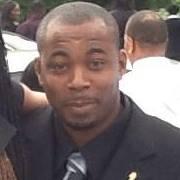
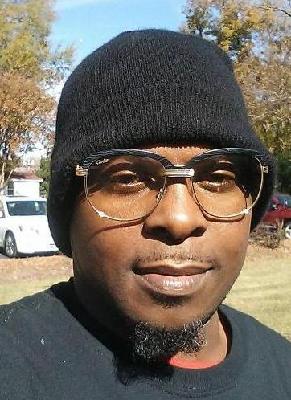
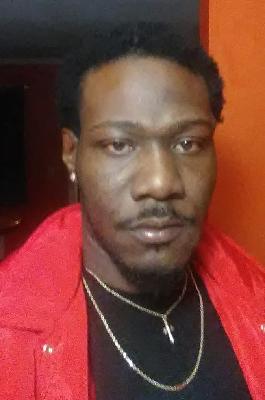
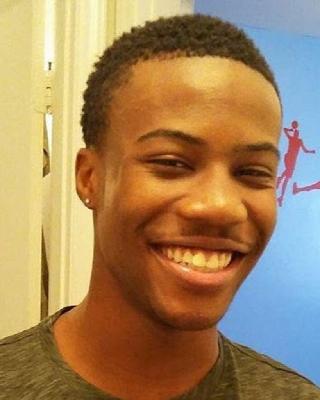
Muhammad Azziz Abdullah Johnson was a 29-year-old Black man from Bennettsville, South Carolina, whose life ended in a burst of gunfire on January 25, 2015. He is remembered in public records as one of the city’s victims of gun violence, his name preserved on memorial lists that mark that date as the moment everything changed for his family and community.
On that January day, Johnson was shot and killed during a dance event in Bennettsville, an incident local authorities immediately treated as a homicide. The shooting turned what should have been an ordinary community gathering into a crime scene, with music and celebration giving way to flashing blue lights, tape strung across the area, and investigators trying to piece together how a night out had ended with a man lying mortally wounded. In the days that followed, the case moved quickly enough that a teenage suspect came forward; local coverage later recalled that a teen turned himself in to law enforcement in connection with the fatal shooting at the Bennettsville dance, signaling that police had identified at least one person they believed responsible.
As the investigation progressed, the name that would remain tied to Johnson’s death in official accounts was Deaundre Terrell Malachi, a Bennettsville man. Years later, when reporters covered a separate killing at the Ellison Club near McColl, a sheriff’s lieutenant noted that Malachi had been “charged by the Bennettsville Police Department in 2015 for the murder of Muhammad Azziz Abdullah Johnson” and that he was on supervised release at the time of the newer crime. Those remarks confirm that Johnson’s case resulted in a formal murder charge against Malachi and that the justice system had already had him under supervision when he surfaced in the headlines again. However, the same public reporting that ties Malachi to Johnson’s killing does not spell out what happened to those 2015 charges—whether they led to a conviction, were reduced, or ended without a final verdict—leaving the legal outcome of Johnson’s case unclear in the record that is available.
Malachi’s name returned to the news in 2021 after a deadly shooting at the Ellison Club, where investigators say a man named Donta Vershawn Pearson was shot in the parking lot as the club was closing. Deputies pursued Malachi that same day, describing a vehicle chase in which he fled from the scene and threw crack cocaine from the car before being captured. In that later case, prosecutors secured what the earlier coverage of Johnson’s murder never clearly records: in 2022, Malachi pled guilty to voluntary manslaughter, possession of a weapon during the commission of a violent crime, and possession with intent to distribute crack cocaine, and a judge sentenced him to 28 years in prison. The court documents and news stories about the club shooting explicitly acknowledge that this was his second time facing a murder charge in six years, the first tied to the death of Muhammad Azziz Abdullah Johnson.
For Johnson’s memory, the public trail is far thinner. Outside of brief mentions in later crime reports and a line or two on a national gun-violence memorial page, little has been preserved in the open record about who he was before the gunfire at that Bennettsville dance. His name appears among other Bennettsville victims lost to shootings, and people who knew him or learned his story have lit dozens of virtual candles in his honor, small digital gestures that testify that he was more than a case number. The articles that revisit his death do so mainly to situate Malachi’s history, but even in that limited coverage, Johnson’s name anchors the beginning of a tragic timeline: a young man in his twenties killed at a local gathering, a teen suspect coming in from the cold, a murder charge filed, and then a court record that goes quiet, leaving those outside his family to infer that, whatever happened on paper, the loss that began on January 25, 2015 has never really been resolved.