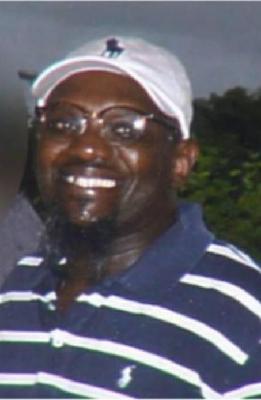
On the evening of June 17, 2015, a 26-year-old African-American man named Tywanza Kibwe Sanders attended a Wednesday night Bible study at the historic Emanuel African Methodist Episcopal Church in Charleston, South Carolina. A recent graduate of Allen University with a degree in business administration, Sanders was a budding entrepreneur, poet, and artist. He was at the church with his mother, Felicia Sanders, and his 87-year-old great-aunt, Susie Jackson.
During the meeting, a young white man, who had been sitting with the group for about an hour, opened fire on the parishioners.
As the horrific attack unfolded, Tywanza Sanders's final act was one of immense bravery. He reportedly tried to reason with the gunman and shielded his great-aunt from the bullets. His mother, who survived by pretending to be dead, later recalled her son's last words to the shooter: 'You don't have to do this.' Despite his heroic efforts, both Tywanza and his great-aunt were among the nine people tragically killed in the massacre. He was the youngest of the victims.
The gunman, identified as Dylann Storm Roof, a 21-year-old white supremacist, was captured the following morning in Shelby, North Carolina. He later confessed to the killings, stating his motive was to ignite a race war. Roof faced a series of legal proceedings for his crimes. In a federal trial, he was indicted on 33 counts, including hate crimes. On December 15, 2016, a jury found him guilty on all charges, and on January 10, 2017, he was sentenced to death.
In addition to the federal charges, Roof also faced state charges. On April 10, 2017, he pleaded guilty to nine state counts of murder to avoid a second death sentence. For these charges, he was sentenced to nine consecutive life sentences in prison without the possibility of parole. Roof's racially motivated act of violence did not start the war he had hoped for; instead, it was met with a response of solidarity and grief from the Charleston community and the nation.