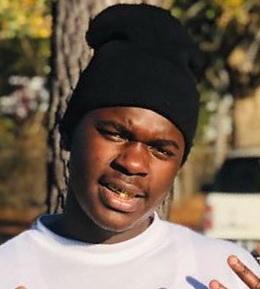
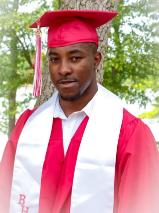
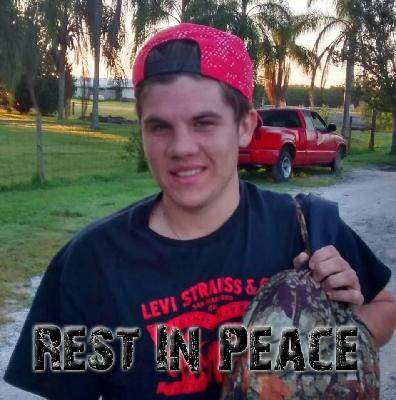
Cleveland Abrams III grew up moving between Atlanta, Georgia, where he was born, and Barnwell County, South Carolina, the tight-knit rural community that eventually claimed him as its own. He was a 25-year-old Black male whose friends and family knew him by the nickname “Pigg,” a soft-spoken caregiver whose life revolved around his parents, extended family, and the seniors he looked after at the Blackville Senior Center.
In local obituary accounts, relatives remembered how he graduated from Barnwell High School in 2009, then settled into a life of service, directing the senior center in nearby Blackville, where he organized activities, shared meals, and became part of the daily rhythm for older residents who depended on his kindness and reliability.
By the summer of 2016, Abrams was firmly rooted in Barnwell, working, raising his young children, and moving through the familiar streets of the small town. On July 8, 2016, that ordinary life was cut short when he was killed in a shooting in Barnwell; memorial records list him as having been “lost to gun violence” on that date, and the Barnwell County coroner formally ruled his death a homicide. The public information that survives online does not spell out the moments leading up to the gunfire or the precise setting in which it erupted. What is clear is that, within a single day, the man who had spent his working hours caring for elders in his community became one more name added to the tally of gun violence victims in South Carolina.
In the days that followed, his family prepared a funeral that reflected the depth of their loss and the affection he inspired in others. Obituaries describe a son and grandson who had been shaped by a large extended family, noting the grandparents who had preceded him in death and the loved ones who survived him. The tone of those tributes is intimate and personal: they emphasize not the circumstances of the shooting but his warmth, his devotion to his children, and the way he poured energy into the seniors he served, many of whom knew him not as an employee but as someone who brightened their days. For those who gathered at his visitation and funeral services in mid-July 2016, the shock of such a violent end sat uneasily beside memories of a man whose daily life had been defined by patience and care.
Years later, the digital trace of Abrams’s death remains fragmentary: a gun violence memorial entry, funeral home notices, and scattered references that confirm the date, place, and manner of his killing but say little about how the investigation unfolded. None of the publicly accessible obituary, funeral, or memorial materials that can be viewed online describe a suspect, an arrest, or a criminal trial connected to the shooting, and they offer no indication that anyone has been publicly charged or convicted in his death. What endures instead is the portrait drawn by those who knew him: a community-centered worker whose life was rooted in Barnwell County, and whose killing left a quiet but enduring absence in the senior center halls and family gatherings where he had once been a constant presence.