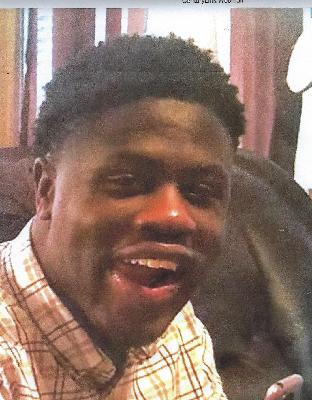
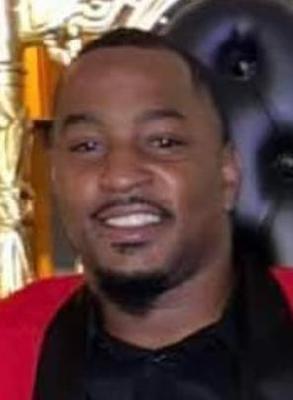
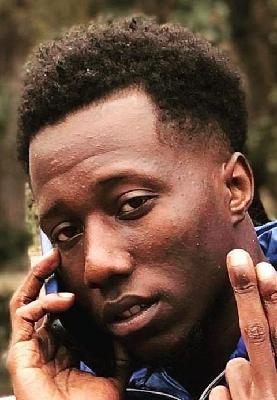
On Sunday, July 15, 2018, Greenwood County lost Quatavious Freeman, 23, an African American man, after gunfire erupted along Sumter Street. He was known at home as “Tay,” a young father whose life revolved around his children, music, and the pull of family—someone remembered for producing music, helping others, and being most himself when he was simply surrounded by the people he loved.
That night, police were dispatched to Sumter Street after reports of shots fired, and a wounded 23-year-old was located with what was described as an apparent gunshot wound before being rushed for emergency care. In the hours that followed, his death turned an ordinary summer evening into a homicide scene that would hang over the neighborhood long after the sirens faded, leaving behind grief that spread outward—from the street where he fell to the loved ones who would soon gather to mourn him.
In the days that followed, plans were made for family and friends to come together, with a gathering and memorial service scheduled for July 21, 2018, in Greenville. While those closest to him tried to steady themselves with shared memories, the public record around his death offered far fewer answers: reporting described him as being gunned down on Sumter Street, and law enforcement faced the harder task of turning a violent moment into a solvable case.
As the months stretched on, his killing was repeatedly described as unsolved, and no arrests or publicly named suspects were announced in the coverage describing the city’s string of homicides. By June 25, 2019, his family and community voices were among those calling for progress and accountability, pressing for deeper attention to Greenwood’s open cases; police acknowledged the frustration that comes when investigators don’t have enough information and evidence to build a prosecutable case, even as they said detectives were continuing interviews and working to find who was responsible. In Freeman’s story, that absence—no confirmed suspect brought forward, no court proceedings to mark an ending—became part of the tragedy itself, leaving his death as a wound the community was still asking someone to help close.