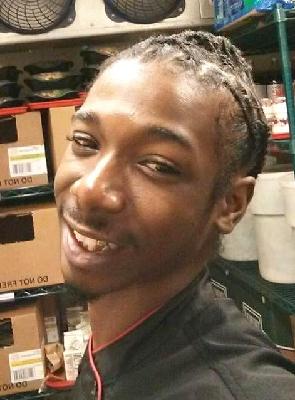
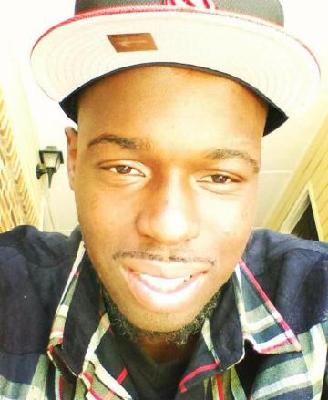
DeTwan Walker, a 20-year-old man from North Charleston, South Carolina, stepped out onto the front porch of his Navajo Street home in the early hours of December 26, 2018, and never came back inside. In the middle of a conversation with his girlfriend, he walked out the front door; moments later she heard a single gunshot and found him lying on the porch with a gun nearby and a fatal wound to his head. Officers responding around 1 a.m.
to reports of a shooting on the 3400 block of Navajo Street found him dead on the front porch, the quiet residential house suddenly transformed into the center of a crime scene that would linger over the neighborhood long after the blue lights faded.
At first, the story that reached police was that Walker had shot himself. His girlfriend told responding officers and 911 dispatchers that he had stepped outside and that he had taken his own life, and the case was initially logged as a suspicious death with indications of a possible suicide. As the Charleston County Coroner’s Office and North Charleston investigators looked more closely, however, the physical evidence did not match that early explanation. An autopsy indicated that the wound was not consistent with the account that Walker had shot himself, and within two days North Charleston police publicly announced that what had first been reported as a suicide was now being investigated as a homicide. By the end of December, the coroner formally identified the man killed on the porch of 3434 Navajo Street as DeTwan Walker, confirming that the day-after-Christmas death would be treated as a criminal killing.
As detectives shifted their focus from self-harm to foul play, they secured a search warrant for the house and began combing through the interior for clues. Inside, officers found marijuana and pills, evidence that widened the scope of their inquiry beyond the single gun on the porch. During that search, they charged an occupant of the home, Kwantice Ravenel, with possession with intent to distribute a Schedule IV controlled substance, tying at least one arrest to the scene that night. Early reporting also noted that another person at the residence was taken into custody on drug charges as the investigation unfolded, underscoring that officers did not view the house as only the location of a shooting but as a place where other criminal activity might have been occurring. Still, authorities did not say that those drug charges were directly connected to the killing itself, and they did not publicly identify any suspect or motive for the gunshot that ended Walker’s life.
In the months that followed, the Navajo Street house remained a reference point in news updates, a shorthand for an unanswered question: who had actually pulled the trigger on that cold December morning? Nearly a year later, in December 2019, North Charleston police took the unusual step of releasing a photograph of a man they wanted to speak with about the case and appealed to the public for help. They said they were trying to locate Glenn Wallace Ackerman, describing him specifically as a man wanted for questioning in connection with the 2018 homicide. In that appeal, investigators again recounted how Walker had been shot to death on December 26, how his death had first been treated as a possible suicide, and how the narrative had shifted once the autopsy and forensic work were in hand. They did not explain what Ackerman’s relationship to Walker or the Navajo Street home might have been, nor did they label him a suspect; instead, they asked anyone who knew where he was to call the department or the regional crime tip line.
Despite the search warrants, the drug arrest tied to the scene, and the later effort to locate Ackerman for questioning, the core of the case remained stubbornly unchanged: the person responsible for the fatal shot on the porch had not been publicly identified. The Associated Press reported that no arrests had been made in Walker’s death, even as the homicide investigation continued, and subsequent coverage from local outlets has not documented any murder charges, trials, or convictions stemming from the killing. Years after the night when patrol cars and crime-scene tape surrounded the house on Navajo Street, the official record still describes an open homicide: a young man found dead on his own porch, a girlfriend’s account contradicted by an autopsy, drugs seized and charges filed against an associate, a man sought only for questioning, and a community left without clear answers about who took DeTwan Walker’s life or why.