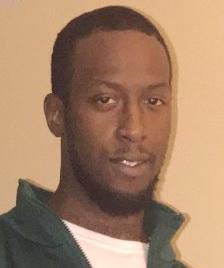
Tr'Maine Tyrelle Williams, a 22-year-old Black male from Elliott, South Carolina, was killed by gunfire on April 26, 2020, in his hometown, a small community of only a few hundred residents where a single act of violence echoes through nearly every family. His death is recorded online in brief but stark terms: he was “lost to gun violence” that day in Elliott, leaving behind a life that was still very much in its early chapters.
Online memorials paint a more intimate picture of who he was beyond that single violent moment. Loved ones list his nickname as “Buddy Lee” and note that he was a young father with three children, including a little girl whose milestones he would never get to see. They remember him as someone with an easy sense of humor, describing him simply as a funny person, the kind of relative whose presence could lighten a room. The memorial also links him to everyday anchors of small-town life: Lee Central High as the school he attended and Walmart as his workplace, suggesting a young man rooted in his community and doing the ordinary work of providing and growing up.
In the messages left for him, grief is raw and personal. Family members write about how hard it is to go on without him, calling him their heart and asking him to keep watching over them. One message longs for him to be present to watch his baby girl grow, a reminder that his death reshaped not only the present but the entire future of his children. Others sign as cousins and a nephew, promising to keep moving forward in ways they believe would make him proud, turning the online page into a kind of living shrine where love and loss are spoken aloud.
Beyond these memorial notes and basic community information about Elliott itself, publicly available online material offers little detail about how the shooting unfolded or how quickly help arrived. There are no accessible news reports or official summaries that describe suspects, arrests, charges, trials, or convictions in connection with his killing, at least in the records that can currently be found. The story that remains visible to the wider world is therefore one-sided: it preserves the fact that a young father from a small South Carolina town was shot and killed, and it preserves the voices of the people who loved him, while leaving the questions of who pulled the trigger and whether they were ever brought to justice painfully unanswered.