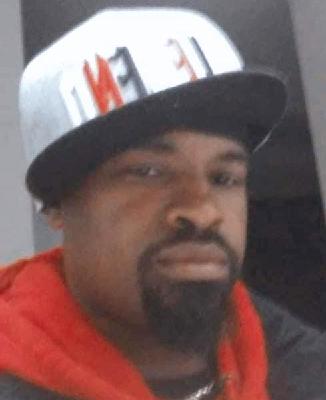
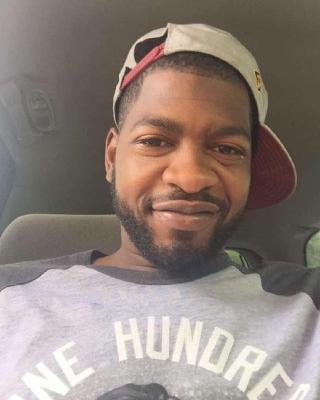
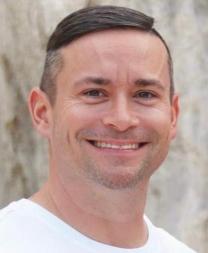
Devin Williams, a 30-year-old man from Aiken, South Carolina, was killed in the early hours of June 11, 2020, when gunfire erupted on Aldrich Street in the city’s Crosland Park neighborhood. On that Thursday just after midnight, a quiet residential block became the scene of a deadly shooting, and local news would later confirm that at least one person had died there as a result of the violence.
The victim would be identified as Williams, a lifelong Aiken resident whose life ended just a little more than a month before his thirty-first birthday.
Born on July 18, 1989, Williams is remembered in funeral and memorial records under his full name, Devin Wykie Williams, tying his short biography firmly to the city where he grew up and where he was ultimately laid to rest. Online remembrances posted about him describe someone deeply rooted in his relationships, with loved ones recalling a man they saw as “real, caring, and always down to ride for his loved ones,” and messages from family promising that their love for him would not fade with time. These brief public glimpses into how he was seen by those closest to him hint at a life defined less by the circumstances of his death than by the loyalty and affection he showed to the people around him.
In the immediate aftermath of the shooting, the investigation was taken up by local law enforcement, who responded to Aldrich Street after reports of gunfire in the Crosland Park area. Early coverage from the scene noted only that the incident happened around 12:30 a.m. and that there was a death, while stressing that no suspects were in custody at that time. The sparse and cautious details reflected the uncertainty of those first hours: officers had a body, a street turned into a crime scene, and a neighborhood shaken awake in the middle of the night, but no one they could publicly identify as responsible for the gunfire that left Williams mortally wounded.
As days passed, Williams’ name was added to national gun violence memorial records as one more life cut short by a shooting, a single fatality in an incident documented as one person killed and no one else reported wounded. There, his entry is brief but stark: his name, his age, his city, and the date he died, preserved among thousands of similar stories from across the country. The silence that follows in the public record is telling. No subsequent local reports surface that describe a suspect being identified, arrested, or charged, and no trial or conviction connected to his killing appears in widely available news or court coverage. Together, these gaps suggest that whatever leads investigators may have pursued, the case has not resulted in a resolution that reached the public eye.
For Williams’ family and friends, the story did not end with the last line of a brief news item or the closing of a police log. The messages left on his online memorial pages, written years after the night he died, read like conversations with someone who has only just stepped out of the room—a sister promising she “got” him, a loved one repeating “I love you to the moon and back” as if he might still somehow hear it. Those words, and the absence of any public sign that someone has been held accountable, give his death an unfinished quality: a life remembered in warm, personal detail, contrasted with an investigation whose outcome remains, at least in the public record, unresolved.