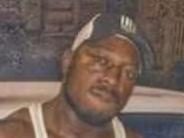
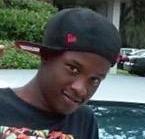
On a late-summer evening in 2020, 24-year-old Treyvon Chisolm, a Black male, was riding in a black Toyota 4Runner along Charleston’s upper peninsula when a routine marijuana deal turned deadly. The SUV pulled into a parking area near 20 Conroy Street, between Meeting Street and North Nassau Street, a stretch of asphalt tucked among businesses and low-slung buildings not far from the heart of downtown Charleston. It was just before 7 p.m.
on September 3 when gunfire shattered the evening, turning what had begun as an errand into a desperate race for survival.
According to police affidavits and later reporting, the driver of the 4Runner told investigators that he and Treyvon had picked up an unknown man near America Street so the man could buy marijuana. The stranger climbed into the rear passenger-side seat, and the trio drove to Conroy Street, where they pulled into a parking space. Once there, the buyer asked for a scale to weigh the cannabis, the kind of mundane detail that suggested this was a familiar kind of business for everyone involved. At some point, the man in the back stepped out of the SUV. Moments later, the driver heard a burst of gunfire, turned, and saw Treyvon slumped over in the front passenger seat, unresponsive. He slammed the vehicle into gear and sped toward the Medical University of South Carolina, trying to outrun what had just happened.
Officers were dispatched to Conroy Street at 6:52 p.m. for reports of a shooting. When they arrived, they found scattered shell casings in the parking area, mute markers of the violence that had unfolded only minutes earlier. As they worked the scene, they were flagged down by the driver of the 4Runner, who had reached MUSC with Treyvon still in the vehicle. Inside, officers saw him suffering from multiple gunshot wounds to the chest. They helped rush him into the emergency room, but his injuries were too severe; he died at the hospital a short time later. The Charleston County Coroner’s Office publicly identified him as the victim of the Conroy Street shooting, and the case was formally classified as a homicide.
Away from the cold language of affidavits and police reports, friends and family remembered a young man whose presence filled rooms with energy. Obituaries and memorials described Treyvon as someone whose spirit left a mark on anyone who met him, a free soul who loved to laugh, move, and turn ordinary days into stories people would tell later. He had roots in North Charleston and ties to the local restaurant scene, where he worked as a line cook at a popular spot known simply as Toast. Loved ones gathered at the Alfred Williams Community Center in North Charleston on September 10, 2020, for a visitation and celebration of life, trying to honor his memory even as the questions around his killing remained painfully fresh.
As detectives combed through the events of that September evening, a clearer picture of the suspected gunman began to emerge. A witness told police that the man known only as “CJ” had been present and that his last name was Manigault; they also said he had gone to Burke High School. Investigators obtained surveillance footage from the area that showed the black 4Runner pulling into a parking space. The video captured a Black male stepping out of the rear passenger-side door, reaching toward his waistband, and extending his arm toward the SUV’s front passenger seat. Those actions, officers later wrote, were consistent with someone firing a gun, and the shell casings recovered on Conroy Street matched the area where the figure was seen in the footage.
In the days that followed, police publicly announced that a Charleston man, 21-year-old Corwin Lenard Manigault, was in custody on suspicion of killing Treyvon during the drug deal on the upper peninsula. Jail and news records show that Manigault was charged with murder and possession of a weapon during the commission of a violent crime, accusations rooted in the witness statements and the surveillance video that seemed to trace his movements at the scene. Later online jail information lists Manigault as having been booked again in 2023 on a slate of serious charges that included murder and possession of a weapon during a violent crime, suggesting that prosecutors continued to pursue the case in the years after the shooting.
Yet, despite the arrest and the gravity of the charges, the path to legal resolution grew murkier over time. Charleston County’s public index shows a General Sessions case in which the State of South Carolina proceeded against Corwin Lenard Manigault that was ultimately marked “Dismissed – Not Indicted” on March 27, 2024, meaning a grand jury did not return an indictment in that matter. Online records do not reflect a murder conviction against Manigault tied to Treyvon’s death, and there is no public documentation of a completed trial over the killing on Conroy Street. From the outside, the case appears to have stalled in a space where an early suspect was arrested and charged but never convicted, leaving Treyvon’s family and community with the enduring ache of loss and the unsettling knowledge that, in the eyes of the courts, the shooting that took his life has never been fully answered for.