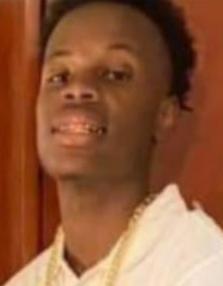
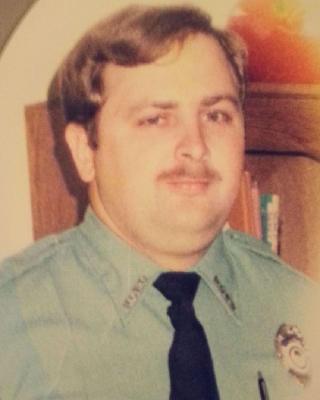
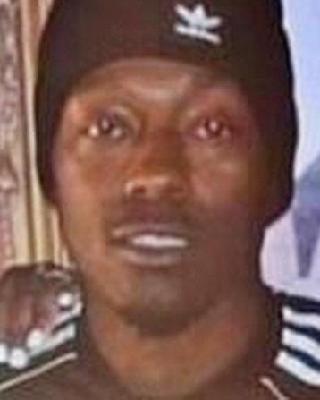
Khamari Leviticus Davis, a 16-year-old Black male from North Charleston, South Carolina, was gone suddenly on July 22, 2022, leaving behind the kind of absence that shows up everywhere at once—at home, in the neighborhood, and in the small routines that had always assumed he would be there. In the days that followed, the public condolences posted with his obituary remembered him as a steady presence—someone with a quiet spirit who could still be a bright spot in a dugout or a classroom, and
whose name was spoken with the particular tenderness people reserve for a life that should have had more time.
That Friday afternoon in North Charleston, police were called to Forseman Street near Dorchester Road just before 2:30 p.m. Officers arrived to find Davis on the ground near the side of a house, suffering from a gunshot wound. A black handgun was found beside him and secured for investigators as the scene tightened into tape and flashing lights. He was rushed to the Medical University of South Carolina, but he was pronounced dead shortly after.
As the weekend passed into the next week, the investigation was still unfolding in public fragments. The Charleston County coroner, Bobbi Jo O’Neal, identified him as the person killed in the shooting, and police said no arrests had been made at that point. What remained was the unanswered middle of the story—how the encounter began, why it turned violent, and who had decided he would not make it home.
Weeks later, North Charleston Police announced they had named a suspect and obtained warrants. Dontre Lamur Alston was charged in connection with the killing, with police listing charges that included murder, attempted armed robbery, and possession of a deadly weapon during the commission of a violent crime; they said he was apprehended by deputies with the Berkeley County Sheriff’s Office on Sept. 6, 2022, and booked into the Al Cannon Detention Center. Police described the case as stemming from a reported shooting near 2650 Foresman Street at about 2:37, tying the arrest back to the violence that ended Davis’s life. In later state corrections records, Alston was listed as an inmate serving an adult straight sentence for voluntary manslaughter in Charleston County—12 years, with a projected release date in 2032 and parole marked not eligible—suggesting the original allegations ultimately resolved into that conviction and sentence.