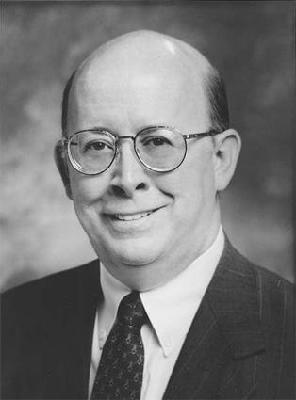
On the evening of February 7, 2008, the quiet suburb of Kirkwood, Missouri, was shattered by an act of violence that claimed the life of 63-year-old Michael H. T. Lynch. A well-regarded member of the community and a City Councilman, Lynch was attending a regularly scheduled council meeting at Kirkwood City Hall when the incident occurred. He was a white male who had served his community in various capacities, but that night, the civic proceedings were interrupted by a long-simmering dispute
that turned deadly.
The gunman was identified as Charles 'Cookie' Thornton, a construction contractor and resident of the nearby Meacham Park neighborhood. Thornton had a history of contentious interactions with city officials, stemming from years of accumulating fines for code violations related to his business and perceived grievances over city contracts. Over time, his frustration with the local government had escalated into a deep-seated resentment. On that Thursday night, Thornton arrived at City Hall armed with two weapons, intent on confronting the officials he believed had wronged him.
Before entering the council chambers, Thornton encountered police outside the building, where he shot and killed a sergeant, taking the officer's weapon. He then stormed into the meeting room where the session was underway. In the ensuing chaos, Thornton targeted specific city officials, fatally shooting Councilman Lynch along with Councilwoman Connie Karr, Public Works Director Kenneth Yost, and Officer Tom Ballman. The mayor, Mike Swoboda, was also critically wounded in the attack and would later succumb to his injuries months after the event.
The rampage ended when responding law enforcement officers engaged Thornton inside the chambers. In the exchange of gunfire, Thornton was shot and killed by police, ending the immediate threat. Because the perpetrator died at the scene, there were no subsequent arrests, trials, or convictions related to the shooting. The investigation concluded that Thornton acted alone, driven by his personal vendetta against the city administration, leaving the community to grapple with the sudden loss of its civic leaders.