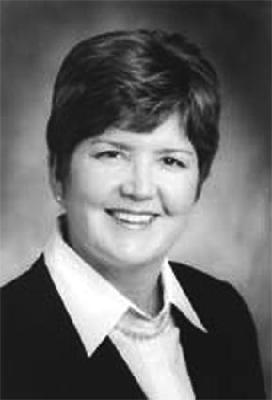
The Caucasian, 51-year-old female victim, Connie Karr, was a dedicated public servant and former journalist whose life was tragically cut short on February 7, 2008, inside the City Hall of Kirkwood, Missouri, a suburb of Saint Louis. Serving in her second term as a city councilwoman, Karr had arrived that evening for a regularly scheduled public meeting. Before her career in local government, she had worked as a reporter for the *St.
Louis Globe-Democrat* and later as a creative director for a corporate firm. Known for her energy and commitment to her community, she was also a wife and a mother to a teenage daughter.
The events that unfolded that night were the violent culmination of a long-standing dispute between the city administration and a local resident named Charles Lee 'Cookie' Thornton. Thornton, a construction contractor from the Meacham Park neighborhood, had been embroiled in a years-long feud with the city council over municipal code violations and parking tickets which he believed were racially motivated and unjust. His grievances had escalated over time, leading to numerous disruptions at council meetings and a federal lawsuit against the city which had recently been dismissed by a judge.
On the night of the incident, Thornton arrived at the city hall armed with two weapons. In the parking lot, he first encountered Police Sergeant William Biggs, whom he shot and killed, taking the officer's service weapon. Thornton then entered the building and proceeded to the council chambers where the meeting had just begun with the Pledge of Allegiance. He opened fire on the officials seated at the dais, fatally striking Councilwoman Karr along with Councilman Michael Lynch, Public Works Director Kenneth Yost, and Police Officer Tom Ballman. Mayor Mike Swoboda was critically wounded in the attack and died several months later from his injuries.
Law enforcement officers from the Kirkwood Police Department responded immediately to the active shooter situation. There were no arrests made in connection with the massacre because the suspect, Thornton, was engaged by responding officers inside the chambers. In the ensuing exchange of gunfire, police shot and killed Thornton, ending the rampage. Because the perpetrator died at the scene, there were no subsequent charges filed, nor was there a trial or conviction associated with the case. The investigation later concluded that Thornton acted alone, driven by his personal vendetta against the city officials he felt had wronged him.