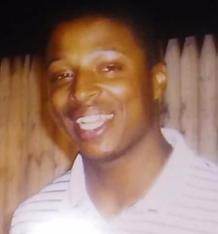
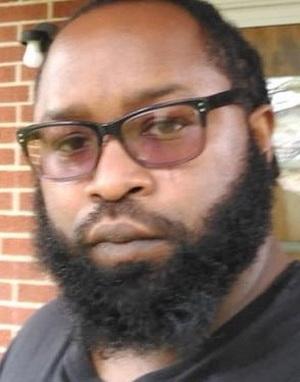
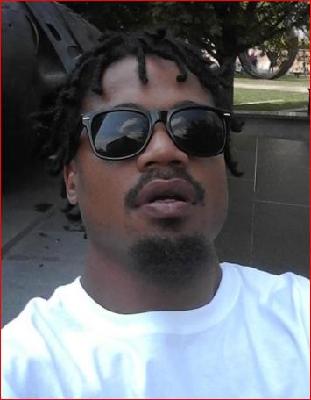
Black / African American male Lenny Hogan, aged 29, was fatally shot in St. Louis, Missouri, on January 18, 2016. The incident occurred in the Greater Ville neighborhood, marking a violent end to his life during a particularly turbulent period for the city. Hogan's death was not an isolated event but was identified by investigators as part of a significant string of violent crimes that plagued the community throughout that month.
Law enforcement connected Hogan's murder to a broader
spree of gun violence that took place over an eight-day span in January 2016. During this brief window, two other men, Tyler Bogan and Henry Williams, were also killed in separate shootings. The proximity and nature of these attacks led detectives to link the cases, resulting in a comprehensive investigation that sought to address the surge of homicides in the area. The violence shattered the sense of safety in the neighborhood, drawing close attention from local authorities and the public alike.
Following an extensive inquiry, a St. Louis grand jury handed down an indictment in August 2016 against five individuals believed to be involved in the wave of violence. The primary suspect linked to Hogan's death was 26-year-old Marquise Henderson. Prosecutors charged Henderson with three counts of first-degree murder, holding him responsible for the deaths of Hogan, Bogan, and Williams. In addition to the murder charges, the indictment against Henderson included counts for robbery, assault, armed criminal action, and the unlawful use of a weapon, painting a picture of a chaotic and dangerous criminal spree.
The grand jury's indictment also encompassed charges against other individuals, including 21-year-old Marcus Tyrone Jackson, who was accused of first-degree murder in the separate killing of Patrick Hunter on January 12, 2016. While the indictment grouped these defendants together, court documents did not immediately specify the precise connections between all the accused, suggesting the possibility of a loose association or involvement in a wider network of criminal activity, possibly related to narcotics. The legal action represented a major effort by St. Louis officials to dismantle the drivers of violent crime in the city.