On a seemingly ordinary evening in Inver Grove Heights, Minnesota, the life of a family and a community was irrevocably changed. Five-year-old Corrine Leanne Erstad, a little girl with brown hair and brown eyes, went outside to play at a nearby park at approximately 7:30 p.m. on June 1, 1992. She was wearing a white sundress with a distinctive watermelon slice print in pastel pink and green.
When she hadn't returned after a short while, her two older brothers went to the park to bring her home, but she was nowhere to be found. Two hours after she was last seen, her mother and stepfather reported her missing, setting in motion a search and investigation that would span decades. An initial but unconfirmed sighting came from another child in the park who reported seeing a girl matching Corrine's description talking to an unidentified man and petting his dog.
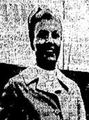
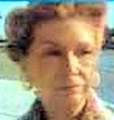
The investigation into Corrine's disappearance quickly focused on a man named Robert Guevara, a friend of Corrine's mother, Mona Williams. Guevara was a frequent overnight guest at the family's home and had been there the day Corrine went missing. A disturbing revelation came to light when Corrine's mother informed police, several days after the disappearance, that her daughter had accused Guevara of molesting her on the very day she vanished. This information, coupled with police dogs tracking Corrine's scent to Guevara's home, intensified the suspicion surrounding him. Just four days after Corrine was last seen, authorities arrested Guevara and charged him with her kidnapping, rape, and murder. The search for evidence led investigators to Guevara's work locker where they discovered a dress identical to the one Corrine was wearing, along with a pair of girl's underpants, both stained with blood and semen. Further investigation of his trailer uncovered a shower curtain with similar stains.
Despite the grim discoveries, the path to justice proved to be complex and ultimately frustrating for those seeking answers for Corrine. In 1992, the full weight of DNA evidence was not yet admissible in Minnesota courts, a legal landscape that has since changed dramatically. This limitation significantly impacted the prosecution's case against Guevara. His defense team argued that the evidence could have been planted, pointing to the unsecured nature of his locker and trailer. They also introduced a theory that Corrine's mother might have been involved in a plot to sell or arrange a kidnapping of her own daughter. Compounding the challenges for the prosecution was the fact that Corrine's body has never been found, making a murder conviction historically difficult in the state. In a stunning turn of events, Robert Guevara was acquitted of all charges. Corrine Erstad was legally declared dead in 1994, but her case remains an unsolved and painful mystery. The community of Inver Grove Heights was left grappling with the verdict and the enduring question of what happened to the little girl who went out to play and never came home.Last Seen: Jun 1, 1992