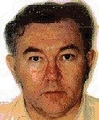
In the summer of 1981, Theodore 'Ted' Kampf, a 46-year-old resident of Oaklyn, New Jersey, embarked on what he planned as an adventurous vacation. An ex-serviceman who had worked for major electronics firms, Kampf was described by his parents as someone who 'never thought people were bad.' On July 6, 1981, he left his home in his new 1980 brown Chevrolet pickup truck, which had a camper shell, intending to travel to Dawson City in the Yukon, Canada. He was well-prepared for the journey, carrying about $5,000 in traveler's checks. For a few days, his trip went as planned. He sent letters to his family, and on July 13, he made a phone call to his parents from Mount Vernon, Washington, telling them he was about to cross the border into Canada. This was the last time his family would ever hear from him.
Soon after Kampf’s last communication, a series of disturbing and criminal events began to unfold, creating a confusing trail for his family and investigators. Someone began using his traveler's checks, forging his signature at banks in British Columbia. Then, on July 27, 1981, a woman in Boise, Idaho, was involved in a minor traffic accident with Kampf's truck. The man driving identified himself as Theodore Kampf, but his physical description did not match. Unaware of these events and initially not worried due to a postal strike in Canada, his family reported him missing in October 1981. Later that month, on October 29, Kampf's pickup truck was discovered abandoned in a ravine by hunters in a remote area near Philipsburg, Montana.
For four decades, the fate of Theodore Kampf remained a painful mystery, becoming the longest-running missing persons case in the history of the Oaklyn Police Department. His parents, Theodore Sr. and Mary, passed away without ever knowing what happened to their only son. The investigation, however, was never forgotten, passed down through generations of detectives who periodically revisited the cold case. A breakthrough finally came thanks to significant advances in forensic science. In 1983, partial human remains had been discovered in a wooded area near Dawson City, Yukon, but they could not be identified at the time. In 2020, samples from these remains were sent for advanced DNA testing and genealogical analysis, which ultimately matched them to DNA from Kampf's cousins. In 2021, Canadian and U.S. authorities officially announced that the remains were those of Theodore Kampf. Investigators believe he was murdered shortly after he arrived in the Yukon in July 1981. In April 2023, nearly 42 years after he left on his trip, Theodore Kampf's remains were finally returned to New Jersey and he was laid to rest. The investigation into his death is now a homicide case, seeking to finally uncover who was responsible for ending his journey so tragically.Last Seen: Jul 11, 1981