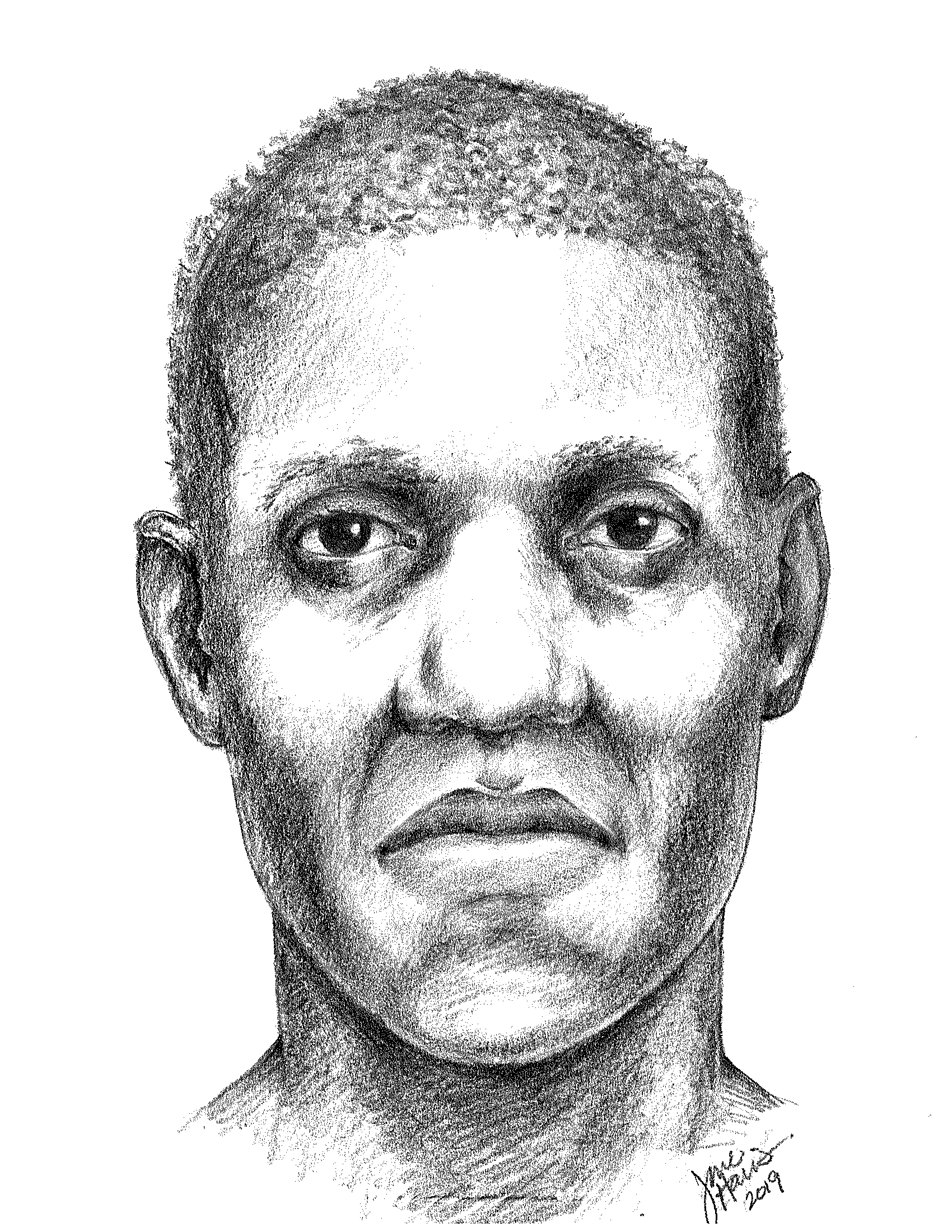
In the fall of 2008, a young man named Male Eugene Brown III, known affectionately as 'Geno,' vanished from Detroit, Michigan. At 23 years old, he was last seen on the evening of November 14, 2008, at the Motor City Casino. The last communication anyone had with him was in the early morning hours of the following day, November 15th. After that, his voice went silent, and he was never heard from again. At the time of his disappearance, Eugene was driving his black 1999 Ford E-150 van.
He was a Black male, standing between 6'0' and 6'4' tall and weighing around 140 pounds. He had a receding hairline and typically kept his head shaved, sometimes with a beard. Distinctive marks included a three-inch scar on his forearm and another on his lower left arm, as well as pierced ears, though he only wore an earring in his left ear.
The circumstances surrounding Eugene's disappearance are troubling and have left his family with unanswered questions for years. He was last seen wearing a black and red 'Bulldogs' hat and jacket, a black shirt, dark-colored denim pants, and black Rockport shoes. The details of what transpired after he was last heard from remain a mystery. The only significant clue in the immediate aftermath was the discovery of his Ford E-150 van. The vehicle was found abandoned and burned at the intersection of Cameron and Melbourne streets, just off of Interstate 75. This discovery added a sinister layer to his case, suggesting foul play was likely involved.
Despite the passage of time, the investigation into what happened to Male Eugene Brown III remains open. The Detroit Police Department has handled his case, but there have been no significant breakthroughs to provide clarity or closure for his loved ones. At the time he went missing, Eugene was described as being in good physical health with no history of mental illness. His family has held onto hope that he might still be alive. The case is a painful example of the ambiguous loss that families of the missing endure, left to wonder about the fate of their loved one. The overview of the case is one of a sudden and unexplained disappearance, marked by the disturbing discovery of his burned
vehicle, which continues to be an unsolved mystery.
Eugene Brown III, a 23-year-old man known to family and friends by the nickname “Geno,” disappeared from Detroit, Michigan, during the overnight hours leading into November 15, 2008. Although missing-person databases use November 15 as his official missing date, the last publicly documented in-person sighting occurred at approximately 7:00 p.m. on November 14, when Brown was seen at the MotorCity Casino in Detroit. He was then last heard from at approximately 1:00 a.m. on November 15. After that final contact, no further verified communication from him has been publicly reported. Brown was a Black male with brown eyes who weighed approximately 140 to 145 pounds. Public sources vary somewhat concerning his precise height and hair color: The Charley Project lists him between 6 feet and 6 feet 4 inches tall with brown hair, while Michigan Department of Corrections records list him at 6 feet 1 inch and 145 pounds, and the NamUs-derived profile published by Uncovered records black hair and a height of about 6 feet. He had a receding hairline and commonly shaved his head, and he may have had a beard at the time he vanished. His appearance also included several potentially recognizable details: a roughly three-inch scar on his forearm, another scar on his lower left arm, pierced ears, and a tendency to wear an earring in his left ear. He may also have worn eyeglasses. On the night he was last seen, Brown was reportedly dressed in a black-and-red Bulldogs hat and matching jacket, a black shirt, dark-colored denim pants, and black Rockport shoes.
The circumstances that followed Brown’s final known hours made his disappearance especially troubling. At the time, he was driving a black 1999 Ford E-150 van bearing Michigan license plate BXU2268. The vehicle should ordinarily have provided investigators with a tangible means of tracing where he traveled after leaving the casino or after his final communication, but instead it became one of the central mysteries of the case. Brown’s van was subsequently discovered abandoned and burned near the intersection of Cameron and Melbourne streets, just off Interstate 75 in Detroit. Public sources do not provide a reliable account establishing who left the van there, when it was set on fire, whether Brown was present when it burned, or what evidence investigators may have been able to recover from it. The destruction and abandonment of the vehicle therefore created a deeply unsettling break in the timeline without providing a publicly documented explanation for what happened to its owner. The available case summaries also do not identify a different vehicle Brown may have entered, a confirmed person he met after leaving the casino, or a destination he planned to reach that night. What can be established is that he had possession of the Ford van around the time he disappeared and that the same vehicle was later found burned and abandoned. Beyond those facts, the public record becomes markedly quiet.
Brown’s personal circumstances provided few obvious explanations for such a sudden loss of contact. The Charley Project reports that he was in good physical condition when he disappeared and that there was no known history of mental illness. His family expressed hope that he was still alive, an understandable hope made more difficult by the complete absence of confirmed contact after the early morning of November 15. Public accounts do not describe him contacting relatives afterward, accessing a new publicly identified residence, or resurfacing elsewhere under circumstances that could resolve the mystery. Nor do the published case summaries describe a confirmed sighting after his disappearance. The case instead rests heavily on that short sequence of known events: Brown was seen at the MotorCity Casino during the evening of November 14; someone was still in contact with him around 1:00 the following morning; afterward, communication ended; and the van he had been driving was eventually located burned and abandoned. The limited public information does not establish what occurred during the critical period between his last communication and the discovery of his vehicle. It also does not establish whether Brown left the casino alone, whether someone accompanied him later in the evening, or whether the destruction of the van occurred shortly after he disappeared or at some later point. Those unanswered questions are important because the burned vehicle is the most significant physical development publicly associated with the disappearance, yet no published source provides enough verified evidence to explain its meaning.
The Detroit Police Department has been identified as the agency responsible for investigating Brown’s disappearance, while his case has also been circulated through national missing-person resources. Uncovered identifies his NamUs case number as MP9142 and continues to preserve the November 15, 2008 missing date, his Detroit location, physical description, and the circumstances involving his van. The Charley Project classifies Brown as an endangered missing person and likewise names the Detroit Police Department as the investigating agency. Those public records have kept his photograph and identifying characteristics available long after the initial search period, an important consideration because Brown’s shaved head, possible beard, eyeglasses, and relatively slender build could have caused his appearance to differ from one photograph to another. His nickname, Geno, may also be significant to anyone who knew him socially without necessarily knowing his full name. Despite the years that have passed, the published accounts contain no documented breakthrough explaining why he vanished, where he went after his last communication, or how his van came to be burned near Cameron and Melbourne.
For Brown’s loved ones, the known facts leave a painful narrative with a beginning but no publicly documented ending. A 23-year-old man went out in Detroit, was seen at a major casino during the evening, remained in contact with someone into the first hour of the next morning, and then disappeared so completely that the only substantial object connected to his movements—his black Ford van—was later recovered abandoned and destroyed by fire. His family’s publicly expressed hope that he might still be alive underscores the uncertainty that has surrounded the case rather than providing an answer to it. There is no reliable public evidence identifying what Brown encountered after his last contact, and there is no basis in the available sources for assigning responsibility or constructing a specific theory about what happened. In overview, Eugene Brown III was a 23-year-old Black man known as Geno whose official missing date is November 15, 2008, after he was last physically seen at Detroit’s MotorCity Casino at approximately 7:00 p.m. the previous evening and last heard from around 1:00 a.m. He disappeared while associated with a black 1999 Ford E-150 van, license plate BXU2268, which was later found abandoned and burned near Cameron and Melbourne streets off Interstate 75. His distinctive scars, pierced ears, possible eyeglasses, shaved head, clothing, and photographs have remained central to efforts to identify him, but public records offer no confirmed account of his movements after his final communication. What remains is an enduring mystery centered on a narrow span of nighttime hours in Detroit, a destroyed vehicle, and a family left without a verified explanation for what happened to Eugene “Geno” Brown III.Last Seen: Nov 15, 2008