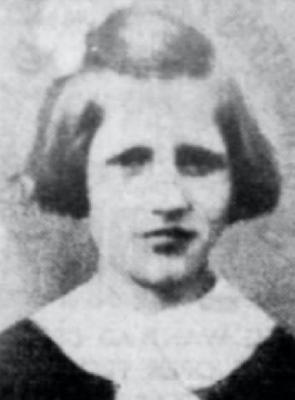
In the quiet farming community of Aurora, Indiana, the spring of 1941 was shattered by a brutal act of violence that would leave a lasting scar on the town's history. On the evening of May 16th, Nina Agrue, her husband Johnson W. Agrue, their two sons, William and Leo, and their 12-year-old granddaughter, Mary Elizabeth Breeden, were found shot to death in their rural home.
The discovery sent shockwaves through Dearborn County, as the community grappled with the senseless loss of an entire family.
The investigation into the horrific slayings quickly focused on a member of their own family, Virginius 'Dink' Carter, the son-in-law of Nina and Johnson Agrue. Investigators learned that Carter held a deep-seated grudge against the Agrue family. His animosity was particularly directed at his brothers-in-law, William and Leo, whom he claimed had coerced him into a marriage with their sister. This long-simmering resentment would ultimately boil over into a meticulously planned and cold-blooded massacre.
On that fateful May morning, Carter made his way to the Agrue farm armed with a shotgun. He proceeded to systematically shoot each family member, leaving a scene of unimaginable carnage. In the aftermath of the killings, Carter attempted to conceal his guilt by joining the crowds of onlookers who gathered at the farm, feigning shock and grief. However, his presence at the scene and witness accounts of him being near the property around the time of the murders raised suspicion.
Under questioning by law enforcement, Carter's facade crumbled, and he confessed to the five murders. He was subsequently arrested and charged with the killings. The legal proceedings that followed captivated the state. Despite a plea of not guilty at trial, the evidence against him, including his own confession, was overwhelming. Virginius 'Dink' Carter was convicted of the murders and sentenced to death. On February 9, 1942, he was executed in the electric chair at the Indiana State Prison, bringing a grim end to a tragic chapter in Aurora's history.