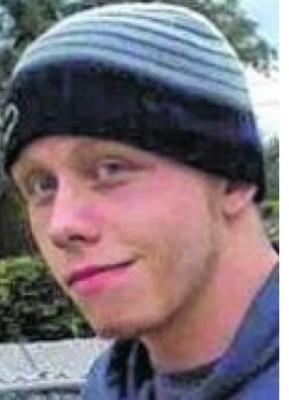
In the winter of 2014, a gathering of friends at a house party in South Bend, Indiana, took a tragic and violent turn, ending the life of 21-year-old Christopher White. On the night of February 24th, what began as a social evening among young people descended into a senseless act of violence that left a family grieving and a community in shock. Christopher, a young man with his life ahead of him, was fatally shot in the head in the basement of the residence.
The individual responsible
for Christopher's death was quickly identified as 22-year-old Jacob Saye. According to accounts from witnesses at the party, the tragic event unfolded after a game of beer pong between White and Saye. Following the game, Saye produced a 9mm semi-automatic handgun. He initially told investigators that he and Christopher had agreed to play a game of Russian roulette, a claim Christopher's family vehemently denied, stating he never would have participated in such a dangerous act, especially with a semi-automatic weapon.
Jacob Saye was arrested and initially charged with murder. The investigation revealed a chilling narrative of the events leading up to the fatal shot. Witnesses reported that Saye had been playing with the firearm throughout the evening. After the beer pong game concluded, Saye pointed the gun at Christopher's temple and pulled the trigger. The prosecution later argued that the killing was not the result of a game, but a senseless act, suggesting that White's only transgression was winning the game of beer pong.
During the legal proceedings, Saye ultimately pleaded guilty to a lesser charge of voluntary manslaughter. His defense attorneys pointed to his history of mental health issues, including a diagnosis of bipolar disorder. Christopher White's family, however, believed the shooting was premeditated, citing a troubling social media post by Saye prior to the incident that mentioned having a 'bullet with someone's name on it.' In a courtroom filled with the palpable grief of Christopher's loved ones, the judge sentenced Jacob Saye to 35 years in prison for his actions, bringing a measure of closure to a case that highlighted the devastating consequences of gun violence.