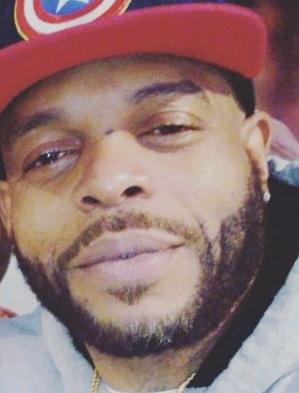
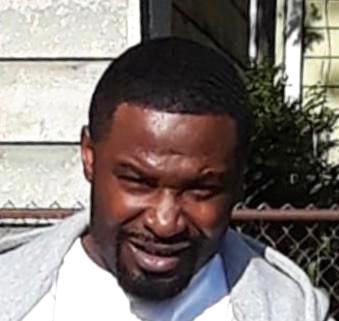
On the night of August 15, 2014, in Michigan City, Indiana, a violent altercation cut short the life of 29-year-old Berry Dee Williams. That evening, Williams, affectionately known as 'Biggs,' was with a friend, Daniel Mallett, when they were confronted by two biological half-brothers, Larry Crume Jr. and Johnny McSwain.
The dispute began when McSwain accused Williams and Mallett of attracting too much attention to the area, making it difficult to conduct illicit activities.
The confrontation quickly escalated, and McSwain punched Williams in the head with enough force to knock him unconscious. As Mallett attempted to flee to a nearby house for safety, Crume fired a gun at him but missed. Crume then turned his attention to the incapacitated Williams, shooting him in the head and killing him.
In the aftermath of the murder, Crume and McSwain took steps to silence the only eyewitness. The day after the shooting, they bailed a man named Deanbra Martin out of the La Porte County Jail and tasked him with killing Daniel Mallett. However, instead of carrying out their plan, Martin became a confidential informant for the police. This critical turn of events provided law enforcement with the necessary information to build a case against the half-brothers.
In September 2014, both Larry Crume Jr. and Johnny McSwain were arrested for their roles in the death of Berry Williams and the subsequent plot to murder the eyewitness. A man named Tyrone Stalling, who was also a suspect in the murder, was granted immunity in exchange for his testimony against Crume and McSwain. Following a trial, on September 15, 2015, both men were found guilty. They were each sentenced to a total of 120 years in prison for murder, attempted murder, and conspiracy to commit murder. An appeal of their convictions was later denied by the Indiana Court of Appeals in December 2016.