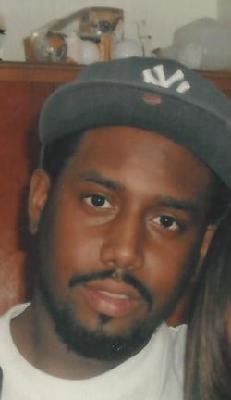
On August 22, 2015, the community of Indianapolis, Indiana, was shaken by a violent sequence of events that claimed the life of Joshua A. Riggins, a 28-year-old African American male who was known as a loving father and entrepreneur. The tragedy unfolded in the early morning hours following a night out that began at a local nightclub known as Suite 38. What started as a social evening spiraled into a confrontation that eventually migrated from the club to a nearby Phillips 66 gas station located on Lafayette Road, setting the stage for a chaotic and deadly encounter.
As the dispute escalated at the gas station, the situation rapidly turned volatile, resulting in an eruption of gunfire that scattered bystanders and turned the premises into a crime scene. In the midst of the mayhem, Riggins attempted to take cover but was struck by a tragedy distinct from the gunfire itself. Responding officers discovered him pinned beneath a vehicle, and subsequent medical examinations determined that he had suffered fatal blunt force trauma after being run over by a car he had ducked in front of for safety. Investigators at the scene recovered an overwhelming amount of evidence, including 44 shell casings, highlighting the intensity of the violence that occurred that night.
The violence also claimed a second victim, Tamara Sword, who was discovered in the passenger seat of a vehicle suffering from gunshot wounds. She was transported to Indiana University Health Methodist Hospital, where she later succumbed to her injuries. The double homicide drew significant attention, partly due to Sword’s connection to a prominent anti-violence activist, and intensified the pressure on local law enforcement to identify those responsible for the bloodshed.
In the aftermath of the investigation, police identified and arrested two suspects, Michael Edwards and Kenneth Jones, who were subsequently charged with the murders of Riggins and Sword. The case seemed poised to head to trial, but the legal proceedings encountered insurmountable hurdles regarding the evidence. Despite the initial charges, the complications with the evidence proved critical, ultimately leading to the dismissal of the murder charges against both men. The resolution left the case without a conviction, underscoring the complexities and challenges prosecutors faced in securing justice for the chaotic events of that August morning.