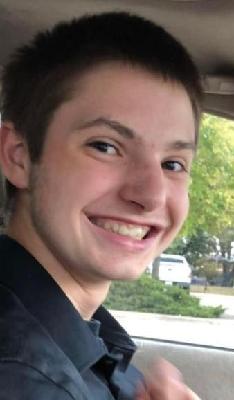
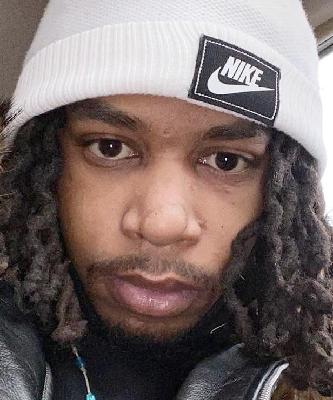
Ramon D. Carver, 26, died in Indianapolis, Indiana, on March 10, 2016. He was a Black/African American male. In the days that followed, loved ones remembered him as someone anchored to family life—someone whose absence would be measured in everyday roles that suddenly had no one to fill them. He left behind a son, and his family announced services and burial arrangements as they tried to steady themselves in grief.
That Thursday night, police were called to the far east side near the Bavarian Village Apartments, in the 3000 block of Bavarian East Drive. The report was shots fired; the scene they arrived to was quieter and worse. Carver was found in the back seat of a vehicle with at least one gunshot wound, and he was pronounced dead at the scene. Detectives believed the shooting may have started elsewhere inside the apartment complex before he made it to the car, collapsing into the back seat as the final place he reached.
At first, investigators kept suspect details close, saying only that they were working leads. Within days, police publicly identified a suspect: Marcus Crowdus, described as 23 and from Indianapolis, and said he was wanted in connection with the fatal shooting. The alert carried the kind of specifics meant for a citywide lookout—height, weight, hair and eye color—along with a request for tips through Crime Stoppers, signaling that police believed he was still out in the community and that public sightings could matter.
As the homicide folded into the broader drumbeat of violence the city was facing that spring, the story of Carver’s death also became, for his family, part of a public reckoning—another name spoken alongside calls for people to step in before arguments became gunfire. In news coverage of that period, Carver’s family was shown confronting the same question so many families are forced to ask in the wake of sudden violence: how a normal night can fracture into a permanent before-and-after, with answers still owed.