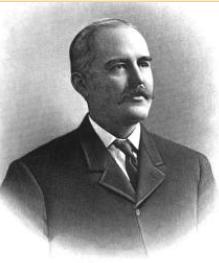
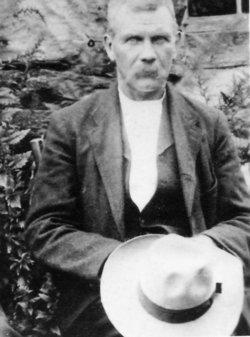
On a fateful day in March of 1912, the course of justice in Hillsville, Virginia, was irrevocably altered by a shocking act of violence that claimed the life of Commonwealth's Attorney William McDonald Foster. The 43-year-old male was a key figure in the legal proceedings at the Carroll County Courthouse on March 14th, a day that would become known for the 'Hillsville Massacre.' The courtroom was tense as Floyd Allen was to be sentenced for his role in freeing a prisoner from a deputy.
The situation escalated dramatically when Floyd Allen and his relatives, collectively known as the Allen clan, unleashed a barrage of gunfire within the courthouse. In the ensuing chaos, William Foster was struck by multiple bullets and died at the scene. He was not the only casualty; Judge Thornton L. Massie and Sheriff Lewis Webb also lost their lives in the violent outburst. The brazen attack sent shockwaves through the community and triggered a massive manhunt for those responsible.
The investigation swiftly centered on Floyd Allen and his family. A number of them were implicated in the bloody assault. In the aftermath, several members of the Allen family faced justice for their roles in the massacre. Floyd Allen and his son Claude were ultimately convicted for their parts in the deadly shootout. Friel Allen, Floyd's nephew, was specifically tried and convicted of second-degree murder in connection with the death of William Foster. He was handed a sentence of 18 years in the Virginia Penitentiary in August of 1912. However, due to good behavior during his incarceration, Friel Allen was granted a conditional pardon in 1922. The trials of Floyd and Claude Allen for their broader roles in the courthouse tragedy had a more severe outcome; both were sentenced to death and subsequently executed in March 1913. Other members of the Allen clan and their associates also received lengthy prison sentences for their involvement.