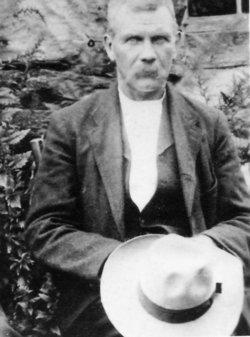
In the spring of 1912, a palpable tension hung in the air of Hillsville, Virginia, a small mountain town where political and personal animosities ran deep. It was here, on the morning of March 14th, that the life of 45-year-old, white, male, Circuit Court Judge Thornton Lemmon Massie would come to a violent and tragic end. Judge Massie, a respected jurist and family man with a wife and three children, was presiding over the trial of Floyd Allen, a prominent and influential local figure.
The charge against Allen was interfering with an officer of the law, and the courthouse was packed with spectators, many of whom were armed. The atmosphere within the red-brick courthouse was a tinderbox waiting for a spark.
That spark came when Judge Massie sentenced Floyd Allen to a year in prison. Allen, defiant, declared to the court, 'Gentlemen, I ain't a goin'.' In the moments that followed, the courtroom erupted into a chaotic gun battle. A volley of shots rang out, and in the ensuing melee, Judge Massie was struck by a bullet that entered his right arm and pierced his chest, rupturing an artery and his lungs. Just before he succumbed to his injuries, Massie reportedly uttered, 'Sid Allen killed me.' The shootout also claimed the lives of Commonwealth's Attorney William Foster, Sheriff Lewis Webb, a juror, and a witness. Several others were wounded in the crossfire that shocked the nation and laid bare the lawlessness that could grip a community.
The aftermath of the 'Hillsville Courthouse Tragedy' saw a massive manhunt for the perpetrators. The primary suspects were Floyd Allen and several members of his family who had fled into the mountains. The Allen family's wealth and influence did not shield them from the swift hand of justice. The Baldwin-Felts Detective Agency was brought in to apprehend the fugitives. Floyd Allen was found in a hotel the next morning and taken into custody. His son, Claude Allen, was also captured. The subsequent legal proceedings were highly publicized and closely watched.
In the trials that followed, Floyd Allen and his son, Claude Allen, were convicted for their roles in the deadly shootout. Despite legal wrangling and appeals, both men were sentenced to death. On March 28, 1913, Floyd and Claude Allen were executed in the electric chair. Other members of the Allen clan and their allies also faced justice. Sidna Allen pleaded guilty to voluntary manslaughter and second-degree murder and received a lengthy prison sentence. The trials and executions were seen as a decisive effort to restore law and order in a region that had been shaken to its core by the brazen violence that unfolded in the Carroll County Courthouse.