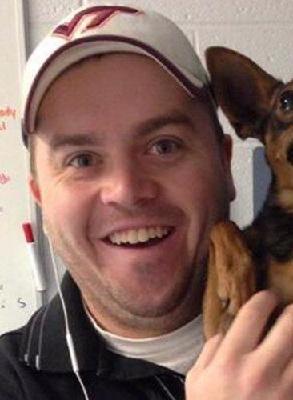
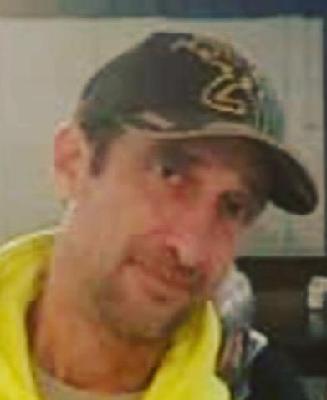
Herbert Aragon Jr., a 37-year-old man from Moneta, Virginia, died on January 31, 2014, in a shooting inside the home he shared with his girlfriend in Franklin County. In the early afternoon, a 911 call came in from a cell phone, and the caller—shaken and urgent—told the dispatcher she had shot her boyfriend. Deputies were routed to a house on Peaks View Drive in the Waterfront golf community near Smith Mountain Lake; when the first deputy arrived minutes later, he was led inside and found
Aragon dead in the hallway.
According to the accounts investigators documented at the time, the girlfriend said she had been home with a toddler and had just finished bathing the child when something felt wrong. She noticed the front door—one she believed had been locked—standing open. Afraid someone had gotten inside, she retrieved a handgun from the bedroom and began moving through the house, searching room to room. In that tense sweep, she said a man suddenly startled her, and she fired. Only after the shot did she realize the person she had struck was Aragon.
The story the girlfriend gave deputies carried details that investigators tried to verify. A search-warrant summary reported that Aragon had been away on a business trip and that he had called roughly fifteen minutes before the shooting, saying he would be late—an expectation that, if true, would help explain why she did not anticipate him coming through the door. The same warrant narrative described a moment near the child’s bedroom when someone jumped out and yelled “boo,” and the girlfriend said she fired in reflex, still believing she was confronting an intruder rather than the person she lived with.
Because the shooting happened between people who lived together, with no sign at the outset of a stranger breaking in, the investigation quickly turned to intent, recklessness, and what could be corroborated. Investigators seized the cell phones and computer equipment from the home—looking for anything that might confirm travel plans and the timing of calls and messages that day, and to test whether the sequence of events matched what the girlfriend claimed in the frantic minutes after the gunfire.
As for arrests or named suspects, public reporting from the period described the girlfriend as the shooter but said she was not identified and that no charges had been filed at that time. The case was discussed in the context of a possible involuntary manslaughter investigation, with any charging decision left to the Commonwealth’s Attorney as investigators continued sorting what was accident, what was preventable, and what could be proven in court.