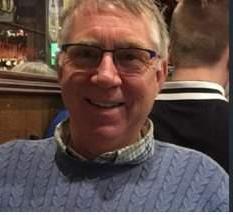
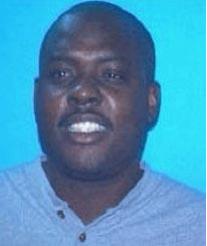
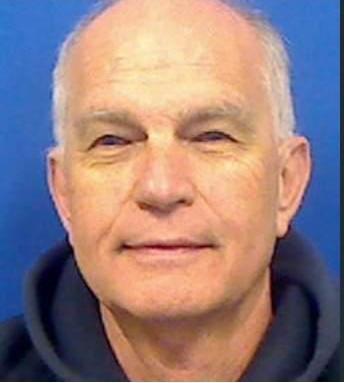
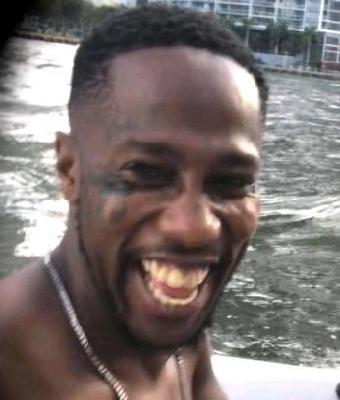
Richard H. Nettleton, 65, a man of Chinese heritage, was working in Building 2 at the Virginia Beach Municipal Center on the afternoon of May 31, 2019, when a fellow city employee turned a normal Friday into a nightmare. Inside the brick government building where residents came for permits and city workers handled the day-to-day business of a growing coastal community, gunfire erupted shortly after 4 p.m., cutting down employees in stairwells, hallways, and offices.
He had spent decades helping shape the infrastructure people rarely notice until it fails—water lines, sewer systems, and the complex engineering decisions that keep a city running. Friends and colleagues remembered him as steady and level-headed, deeply committed to his work, and devoted to his wife, Sarah. He was also known for mentoring other engineers and for a service-minded life that stretched from military duty to municipal work; his obituary described a calm, action-oriented presence who believed in professionalism and inclusion and still dreamed of teaching after retirement.
According to the Virginia Beach Police Department's final investigative summary, the suspect—identified as City of Virginia Beach Public Utilities Engineer Dewayne Craddock—arrived at work that morning and, at 10:30 a.m., emailed a resignation notice that offered only “personal reasons.” Late in the day he sent one last routine work email, then was seen around 4:00 p.m. at his car, retrieving a suppressed. 45-caliber handgun and a backpack carrying a second firearm and ammunition. What came next unfolded with brutal speed: the first victim was shot in the parking lot, another on the walkway leading into the building, and then the suspect moved through multiple floors, killing and wounding people at close range as he went.
The report places Nettleton's death in the later part of the suspect's path through the second floor. After the suspect killed multiple victims on the third and second floors and critically injured others, he returned again to the second floor, where he killed Richard H. Nettleton and shot another surviving victim. Early reports to dispatchers were confused—witnesses described different possibilities and even multiple assailants—but officers entered the building minutes after the first 9-1-1 calls and began searching floor by floor. A gun battle erupted during the hunt; the suspect was ultimately taken into custody at about 4:44 p.m., transported for emergency care, and pronounced dead at a hospital at 5:26 p.m. One police sergeant was shot and survived, and several other victims lived through severe injuries.
Because the suspect died the same day, there was no criminal arrest that led to charges, trial, or conviction in court for the murders, and investigators focused on reconstructing what happened and why. The police investigation lasted about 20 months and involved extensive interviews and digital and physical evidence. It concluded that the motive remained unknown, noting the suspect left no note or explanation; however, later public reporting on official reviews described the FBI's conclusion that the attack stemmed from perceived workplace grievances, even as reviewers acknowledged that clear prediction was difficult. A state commission and other reviews also highlighted practical failures that complicated the response in real time—such as limited access to certain secured areas—while recommending changes aimed at preventing and surviving future mass-violence events.
In the aftermath, Nettleton's name was read among the twelve people killed, his hometown reported as nearby Norfolk, and his long public-service career became part of how the city and his friends tried to make sense of what had happened. The story that emerged was of someone who built systems meant to protect public health and daily life, someone whose plans were measured in decades—retirement trips, time with family, and the quieter satisfaction of passing knowledge on—until a coworker's sudden violence stole those ordinary futures away in minutes.