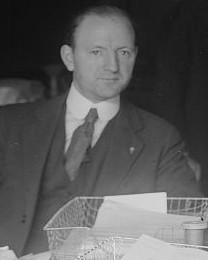
In the winter of 1958, the community of Bayonne, New Jersey, was shaken by the violent death of one of its own. Stephen F. Sladowski, a 47-year-old man, was a respected figure in the city, serving as an assistant city attorney while also owning a local deli. On the evening of December 18, as he was closing his shop, his life was cut short in a senseless act of violence. He was shot at close range during a robbery, a crime that would leave a lasting scar on the city.
The perpetrators of this crime were two young men, 18-year-old Richard Biegenwald and his accomplice, Frank Spardoff. During the robbery, they stole Sladowski's wallet but, in a strange turn, left the money in the cash register untouched. The cold-blooded nature of the killing for such a meager gain sent ripples of fear and anger through the community.
The loss was deeply felt, not just by his family, but by all who knew him as a dedicated family man and a devoutly religious person.
In the immediate aftermath of the murder, Biegenwald fled the state in an attempt to evade justice. However, his freedom was short-lived. Just two days later, he was apprehended in Salisbury, Maryland, following a dramatic shootout with police. Extradited back to New Jersey, Biegenwald faced the consequences of his actions. He was convicted of the murder of Stephen Sladowski and sentenced to life in prison. In a development that would later prove tragic, he was granted parole after serving 17 years.
Freed from prison, Richard Biegenwald did not reform. Instead, he embarked on a new wave of horrific crimes that would earn him the infamous moniker 'The Thrill Killer.' He was eventually linked to several other murders, cementing his legacy as a serial killer. For the community of Bayonne, the memory of Stephen Sladowski's murder remains a somber chapter in the city's history, a stark reminder of a life taken too soon and the devastating path of a released killer.