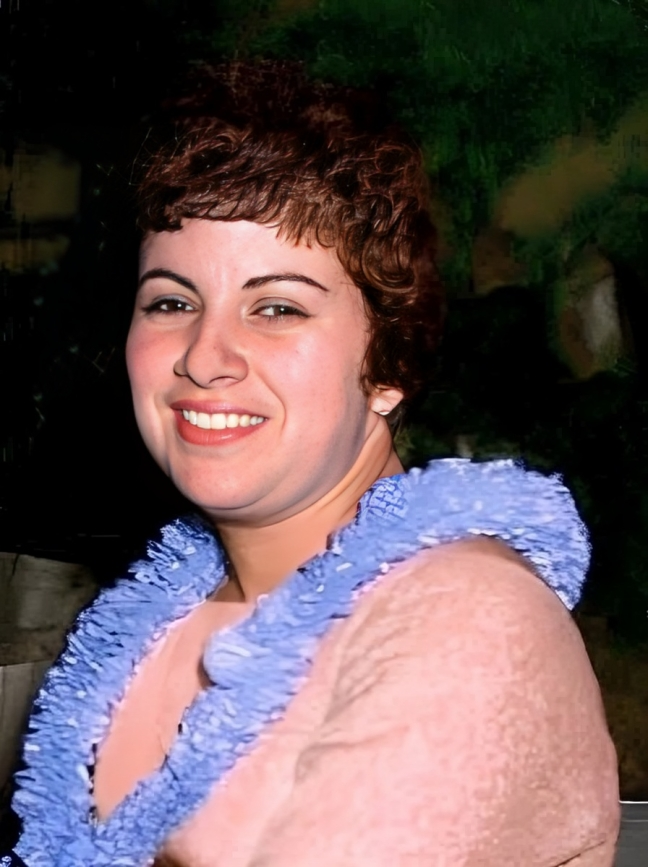
On a cold November night in 1982, 17-year-old Betsy Bacon left her home in Sea Girt, New Jersey, with a simple plan: to buy a pack of cigarettes. She told her mother she would be right back, but she never returned. Her disappearance on November 20th marked the beginning of a grim mystery that would haunt her family and the community for months. The young female vanished without a trace, leaving behind a void of unanswered questions and growing dread.
The search for Betsy Bacon came to a devastating end in April 1983. Her body was discovered buried in a shallow grave in the neighboring town of Tinton Falls. The gruesome find sent a shockwave through the quiet Jersey Shore communities, transforming a missing person case into a homicide investigation.
It soon became clear that Betsy was not the victim of an isolated act of violence, but rather the prey of a predator who had been terrorizing the area.
The investigation into her death led authorities to a man named Richard Biegenwald, who was already a suspect in a series of other brutal killings. The breakthrough in the case came when an accomplice, Dherran Fitzgerald, began cooperating with law enforcement. Fitzgerald's chilling testimony not only implicated Biegenwald in multiple murders but also led investigators directly to the clandestine burial sites of his victims, including the one in Tinton Falls where Betsy Bacon's remains were hidden.
In the face of overwhelming evidence and the detailed confession of his associate, Richard Biegenwald's reign of terror came to an end. He was arrested and charged with a string of murders that had plagued the region. While he was initially convicted for other crimes, it was not until 1993 that he formally pleaded guilty to the murder of Betsy Bacon. His admission of guilt brought a long-overdue sense of closure to a case that began with a teenage girl's simple errand and ended in a chilling discovery that exposed the dark deeds of a serial killer.