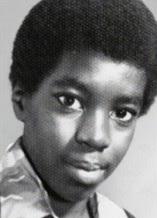
On an April evening in 1990, the life of a 16-year-old African American male named Phillip Pannell was cut short in Teaneck, New Jersey. The events of April 10th began when police responded to a call about a teenager with a gun. Officers Wayne Blanco and Gary Spath arrived on the scene and encountered a group of teens, including Pannell.
According to police accounts, when they attempted to frisk Pannell, he fled.
Officer Spath pursued him, and what happened next became a point of intense controversy. Spath claimed that as Pannell ran, he turned as if to fire a weapon, prompting the officer to shoot. Pannell was struck in the back and was later pronounced dead at a local hospital. A loaded. 22 caliber pistol was reportedly found in his jacket pocket.
However, numerous witnesses to the incident offered a starkly different narrative. They maintained that Phillip Pannell was not turning to shoot, but rather had his hands raised in a gesture of surrender when he was shot. This discrepancy in accounts immediately ignited racial tensions in the community, leading to protests and accusations of police brutality. The public outcry prompted a thorough investigation into the shooting.
The initial autopsy conducted by the Bergen County Medical Examiner seemed to support Officer Spath's version of events, suggesting Pannell's hands were down when he was shot. Unsatisfied with these findings, Pannell's family requested a second autopsy. This subsequent examination, performed by the state medical examiner, concluded that Pannell's hands were indeed raised when he was struck by the fatal bullet, corroborating the accounts of the witnesses.
Following the second autopsy and mounting public pressure, Officer Gary Spath was indicted on a charge of reckless manslaughter. His trial commenced in 1992 and drew significant media attention. Despite the conflicting evidence and the emotional testimony, the jury ultimately acquitted Spath of the charge. Following the verdict, Spath retired from the police force. The Pannell family later filed a civil rights lawsuit against the township of Teaneck, which was settled for $200,000. The death of Phillip Pannell left a lasting scar on the community of Teaneck and remains a painful reminder of the deep-seated issues of race and justice in America.