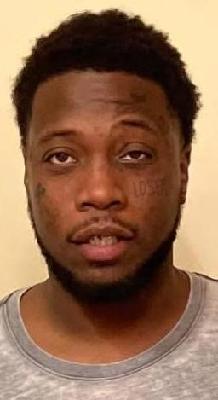
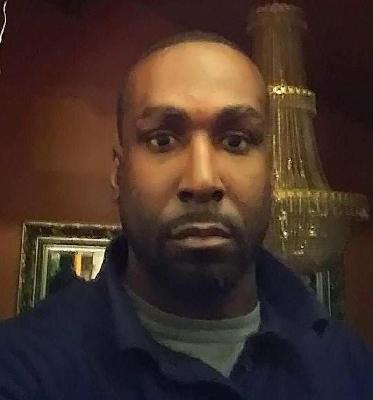
Ramon Rolon, a 40-year-old resident of Chicago, was fatally shot on July 27, 2008. The incident occurred in a violent context typical of Chicago during that period, where homicide rates were notably high, particularly in neighborhoods suffering from economic challenges and frequent gang-related conflicts. The homicide was part of a string of incidents that contributed to the city’s ongoing struggle with gun violence and community safety.
Rolon’s death reflected the persistent violence seen across various parts of the city during that time.
According to public crime data, incidents like Rolon's murder were mapped and recorded by the Chicago Police Department as part of their efforts to document violent crime and analyze patterns across the city. These incidents were tracked at the block level to protect victim privacy, with Little Village and similar areas often highlighted for their higher-than-average crime rates. Unfortunately, the homicide of Ramon Rolon did not result in any immediate resolution, and the details surrounding the assailants remain unclear. This lack of closure has been a common feature in many cases, reflecting systemic issues within Chicago's efforts to address and prevent homicides effectively.
In the aftermath of his death, Rolon’s family and community members gathered to remember him, but the pain and loss resonated beyond just personal circles, as the homicide was another tragic illustration of the violence gripping parts of Chicago. This period saw the city grappling with a rise in violent crimes, particularly shootings, which claimed many lives, including those of individuals like Ramon Rolon. Law enforcement efforts during these years were stretched thin, and the ongoing cycle of retaliation and gang-related violence made it challenging for authorities to contain the escalating number of fatalities.