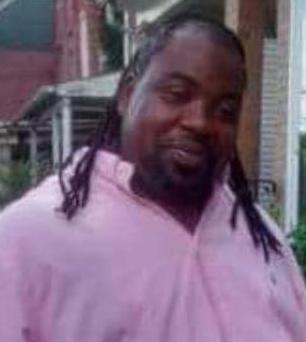
In the late hours of a Monday evening in Trenton, New Jersey, the life of 33-year-old Pinkey Priester Jr. came to a violent end. On June 16, 2014, police were called to the 300 block of Centre Street around 10 p.m. There, they discovered Priester, a Black male, lying in the middle of the road with multiple gunshot wounds. He was rushed to Capital Health Regional Medical Center, but his injuries were too severe, and he was pronounced dead.
Priester was a lifelong resident of Trenton who had attended local public schools and later earned his GED and a trade certification in construction and demolition. Known as 'PJ' to friends and family, he was described as a supportive father, brother, and friend who loved life and enjoyed making people smile. His interests included skating, bowling, and boxing, but most important to him was spending time with his loved ones.
The investigation into the shooting suggested a brutal and personal attack.
Sources indicated that the assailant stood over Priester's body and fired several shots as he lay on the ground. The conflict that led to this tragic outcome was reportedly a financial dispute between Priester and the man who would be charged with his death. The shooting was said to have been witnessed by several people on the street that night.
A city man, 36-year-old Tomarkus L. Whitfield, was arrested in connection with the murder. He was taken into custody by the U.S. Marshals NY/NJ Regional Fugitive Task Force and a detective from the Mercer County Prosecutor's Office. Whitfield was charged with murder and several weapons offenses. Though he initially pleaded not guilty, he later accepted a plea deal. Whitfield pleaded guilty to a first-degree charge of aggravated manslaughter. For the fatal shooting of Pinky Priester, he faced a sentence of 19 and a half years in prison, with the requirement to serve 85 percent of that term before becoming eligible for parole.