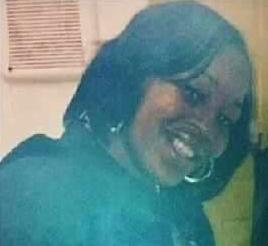
Deborah Johnson, a 47-year-old Black woman from Newark, New Jersey, was found dead on December 12, 2014, inside an abandoned house in the city’s West Ward. The vacant building stood on the 100 block of South 10th Street, a quiet address in the early morning hours when officers and emergency personnel arrived to find her unconscious and unresponsive.
She had suffered multiple gunshot wounds, and despite efforts at the scene she was pronounced dead there, her life ending in the shadows of a property that no longer had legitimate residents but still bore witness to violence.
According to information released by the Essex County Prosecutor’s Office and later summarized in public case listings, the discovery of Johnson’s body launched a homicide investigation focused on how she came to be in that vacant structure and who was responsible for the gunfire that killed her. The details that have been made public are stark and spare: she was alone in the abandoned building, felled by more than one shot, and found in the early part of the day, when detectives and crime-scene technicians began the methodical work of collecting evidence from the deteriorating interior. The official accounts do not describe what drew her there or what kind of confrontation preceded the gunshots, leaving the final hours of her life largely obscured behind the boarded-up façade where she was found.
In the days that followed, authorities identified her publicly by name and age and confirmed that the case was being handled as a homicide under the Essex County Prosecutor’s Office, but they did not announce any leads strong enough to share with the public. Spokespersons stated that no arrests had been made and that no suspects had been identified, a status that has not changed in the years since her death. As time has passed, Johnson’s case has been preserved in online homicide and “death by force” databases, which recount the same core facts of her killing and explicitly ask the public for any updates or information that might help move the investigation forward.
More than a decade later, her name still appears among New Jersey’s unresolved violent deaths, with case summaries noting the date of her killing, the abandoned West Ward address where she was discovered, and the absence of any publicly known suspect. The brief but insistent entries emphasize that the story remains unfinished: a woman shot multiple times in an empty house, a homicide recognized by prosecutors, and a file that has never been closed. The appeal that accompanies her case profile—inviting people to share any information they might have—underscores that, for investigators and for those who catalog unsolved killings, Deborah Johnson’s death is not a forgotten statistic but an open question, waiting for the detail or witness that might finally identify whoever pulled the trigger inside that vacant Newark home.