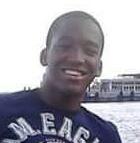
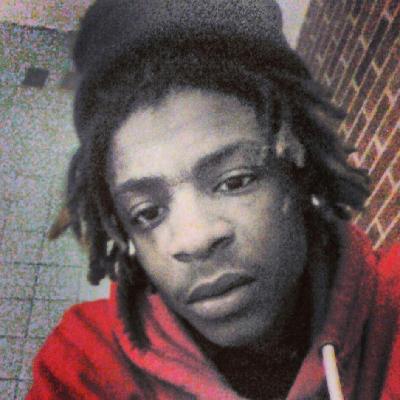
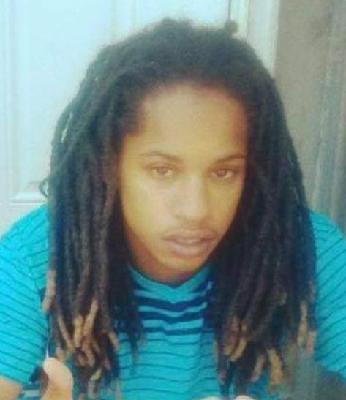
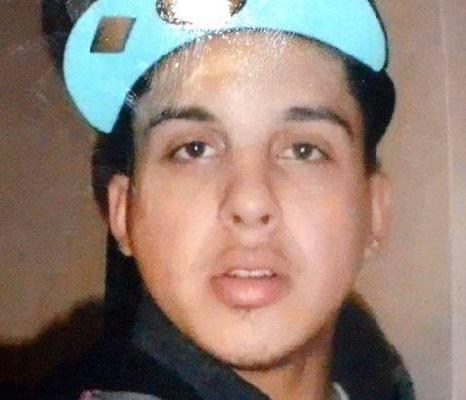
Nyheem Jyel McKinney, a 20-year-old Black man from Jersey City, New Jersey, was killed by gunfire on October 25, 2015, his life ending in the same city where he had grown up and where his family and friends still lived. Public records describe him simply as a young resident of Jersey City, but that plain phrase sits in stark contrast to the violence of his final moments: he was found with multiple gunshot wounds, the kind of injuries that leave little room for second chances.
The killing took place in a neighborhood already struggling with a rise in violent crime, a place where the sound of gunshots had begun to erode any sense of ordinary quiet. On that Sunday, the burst of gunfire that took Nyheem's life added another layer of fear and grief to the streets he knew.
When authorities reached him, the damage from the bullets was too severe; those wounds are recorded as the direct cause of his death, a clinical phrase that barely hints at the chaos and panic that must have surrounded the scene.
In the days that followed, his family turned their attention from the horror of what had happened to the rituals of saying goodbye. An obituary in the local paper noted that services were held at the Church of the Incarnation in Jersey City, with a neighborhood funeral home handling the arrangements, signaling the presence of a close-knit circle that gathered to mourn him and walk behind his casket. On online memorial pages, he is remembered by the nicknames “Jy” and “Jy Boogie,” details offered by those who wanted the world to see him as more than a case number. Those same pages record that he was already a father of two, a young parent whose children would grow up with candles and screenshots where memories should have been.
As the years have passed, the story of what happened after the gunfire has remained frustratingly incomplete in the public record. Case-tracking and advocacy sites recount his death, list his age and city, and invite visitors to share “any updates” on the investigation, but they do not name a suspect, describe a motive, or note that anyone has been arrested for the shooting. Memorial sites continue to frame his killing as an unresolved wound, asking readers to remember his name and to help keep the case from fading into silence. In that absence of closure, Nyheem's story hangs between grief and unanswered questions, carried forward by family, friends, and strangers who light digital candles, repeat his nicknames, and wait for someone, someday, to be held to account for the bullets that ended his life.