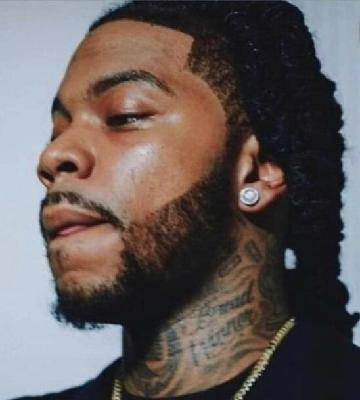
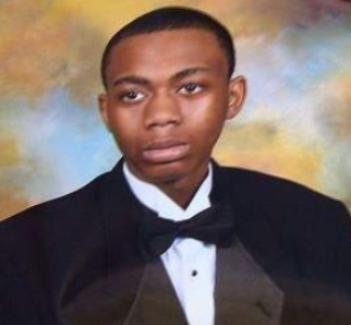
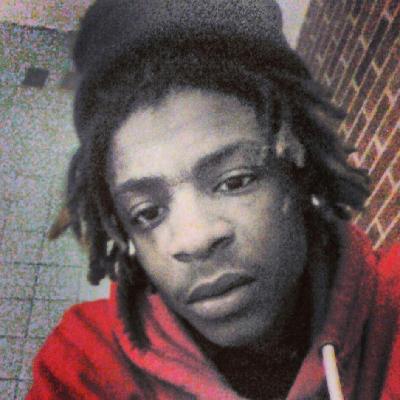
Joshua Anthony Taylor, a 20-year-old Black / African American man, was a lifelong Jersey City resident whose life was cut short on August 8, 2014, when he was shot and killed in the city he called home. Public records and memorial listings describe his death as the result of gun violence, the kind of sudden, senseless act that turns an ordinary summer day into the date a family never forgets.
Those who knew him did not remember him first as a case number or a headline, but as
“Joshua” or by his nickname “Kid Shine,” a young man whose personality filled rooms before he said a word. On an online memorial, loved ones describe him as warm-hearted and loving, a playful, goofy presence who brought “nothing but swag and laughter” whenever he was around. They recall that he loved to cook and worked in places like Party City while finding his way in early adulthood, and that his life had already expanded to include the responsibilities of fatherhood. School details shared in his memory trace a familiar neighborhood path, from P.S. 41 to Abraham Lincoln High School in Jersey City, grounding his story in the streets and classrooms of the community where he grew up and where he would later be mourned.
On that August day in 2014, Joshua became the victim of a shooting that immediately drew a homicide investigation. Case summaries describe his death as “death by force” and note that authorities opened a full murder inquiry, treating the incident as a violent killing rather than an accident or self-inflicted harm. The language used in those public overviews emphasizes efforts to identify and apprehend whoever pulled the trigger, underscoring that police were searching for one or more suspects tied to the gunfire that ended his life. Yet those same summaries stop short of naming anyone responsible or describing a resolution, leaving the investigative narrative suspended at the point where detectives are still seeking answers.
In the days that followed, his family and friends gathered at Mt. Zion Baptist Church on Kearney Avenue in Jersey City for visitation and a funeral service, then accompanied him to his resting place at Bayview Cemetery. The obituary notices speak of a “host of family and friends” left to cherish his memory, a phrase that hints at the size of the circle that was shattered by his death. Online, his name appears on a national gun-violence memorial, where candles continue to be lit in his honor and where his photo, nickname, and personal details have been carefully added by people who refused to let him be reduced to a statistic.
Years later, Joshua's case still appears on a crime-solving site as a murder by violence, accompanied by an open invitation for “any updates” from the public. Forum posts there, written a decade after his killing, show strangers and community members alike wondering what happened, expressing sympathy for his family, and asking whether justice has ever been done. The publicly accessible summaries of his case describe the investigation to find those responsible but do not report that any suspect has been publicly named, arrested, or prosecuted for the shooting that took his life. In that silence, the story of Joshua Anthony Taylor remains not only a tale of a young man loved and lost, but also of a community still waiting for the full truth about who ended his life and why.