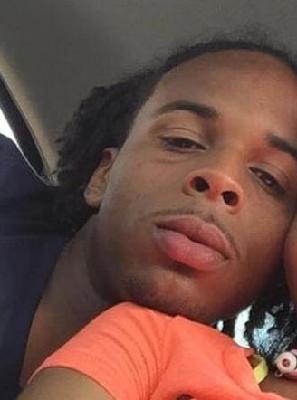
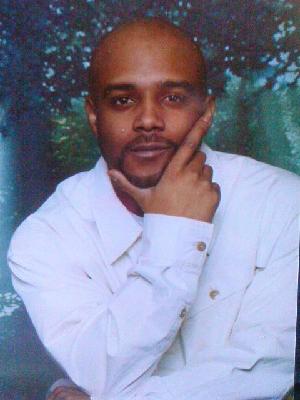
On September 16, 2008, Antonio Owens, age 22, was shot and killed in Chicago, Illinois. The incident occurred in a neighborhood affected by persistent violence, which was part of a broader trend impacting the city at that time. Chicago, during the late 2000s, was experiencing high levels of gun-related homicides, with many young victims like Owens losing their lives.
The conditions in many neighborhoods, characterized by poverty, lack of employment opportunities, and gang-related tensions, contributed to this tragic wave of violence.
In 2008, the city reported a significant number of homicides, with many incidents occurring in communities facing socioeconomic challenges and struggling to overcome systemic issues that fueled violent conflicts. Owens' death is an example of the environment in which such violence was all too common, reflecting the urgent need for effective community interventions and support services to mitigate the root causes of these tragic events.
Despite efforts from law enforcement and community organizations, the broader conditions that led to homicides like that of Antonio Owens required more comprehensive and long-term solutions. Addressing such violence called for tackling the underlying issues of inequality and providing better opportunities for residents in vulnerable communities to break the cycle of crime and instability.